
Angelina Jolie acquired 39 hectares in Cambodia and protected a forest 1,500 times larger from poaching
In 2003, the Oscar-winning actress bought a property in Cambodia. That land eventually became linked to a much larger conservation project: the protection of Samlaut, a forest spanning almost 61,000 hectares where elephants, pangolins and other threatened species survive.
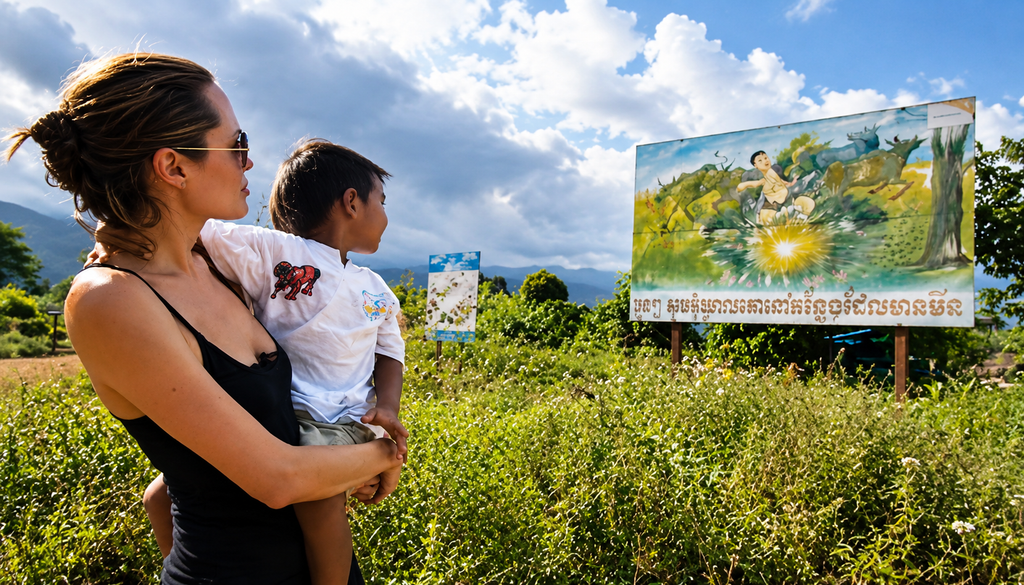
Angelina Jolie’s story in Cambodia began with a relatively modest property and has become linked to one of the actress’s most ambitious conservation projects. In 2003, Jolie acquired a house surrounded by around 39 hectares of land in Battambang province, in the north-west of the country. Years later, the organisation she founded would take on a role in the protection of a forested territory almost 1,500 times larger.
That territory is Samlout Multiple Use Area, an extensive forested area that currently covers around 60,994 hectares across the provinces of Battambang and Pailin, near the border with Thailand. It is not that Jolie bought this forest, but rather that her foundation — the Maddox Foundation — has been involved in its conservation for years alongside the authorities and local communities.
From Tomb Raider to a commitment to Cambodia
Angelina Jolie’s relationship with the Asian country dates back to 2000, when she travelled there to film Lara Croft: Tomb Raider. The experience had a significant personal impact. A year later, she returned as part of her work with UNHCR, and in 2003 she launched the project that would later become the Maddox Foundation, named after her adopted son, who was born in Cambodia.
In its early years, the project focused on rural communities that were still suffering the consequences of decades of territorial conflict with Thailand. One of the priorities was the removal of landmines. As this threat diminished, the work expanded towards environmental conservation, education, healthcare and the development of sustainable livelihoods.
In 2006 came one of the major changes: the organisation began taking responsibility for contributing to the protection of the Samlaut forest, for which local residents were trained and employed as forest rangers to patrol the territory and combat illegal logging and poaching.
Elephants, pangolins and threatened biodiversity
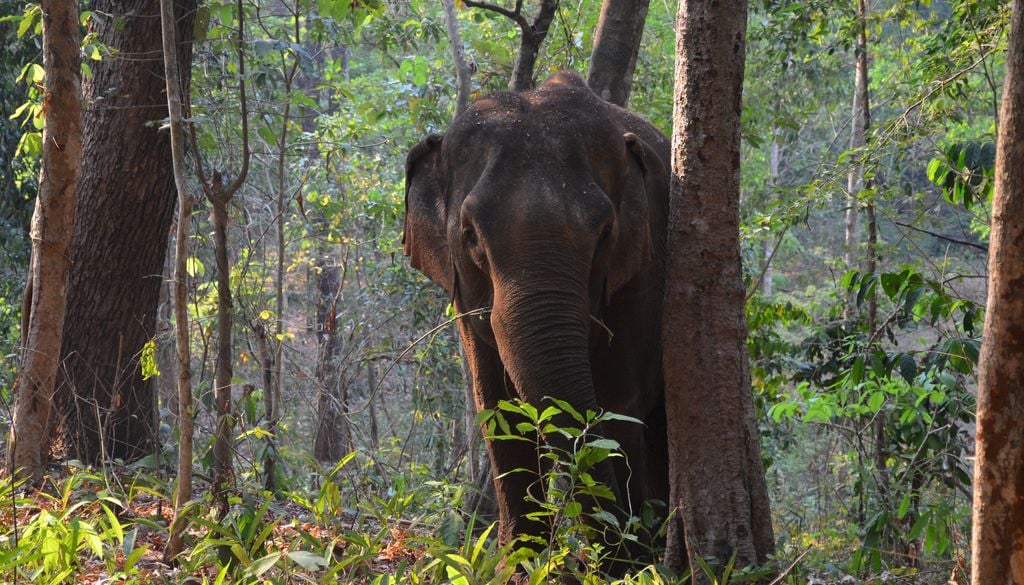
The importance of Samlaut is not explained solely by its size. The forest preserves particularly valuable biodiversity, with threatened species such as the Asian elephant and Sunda pangolin, as well as the dhole, Asian black bear and gaur.
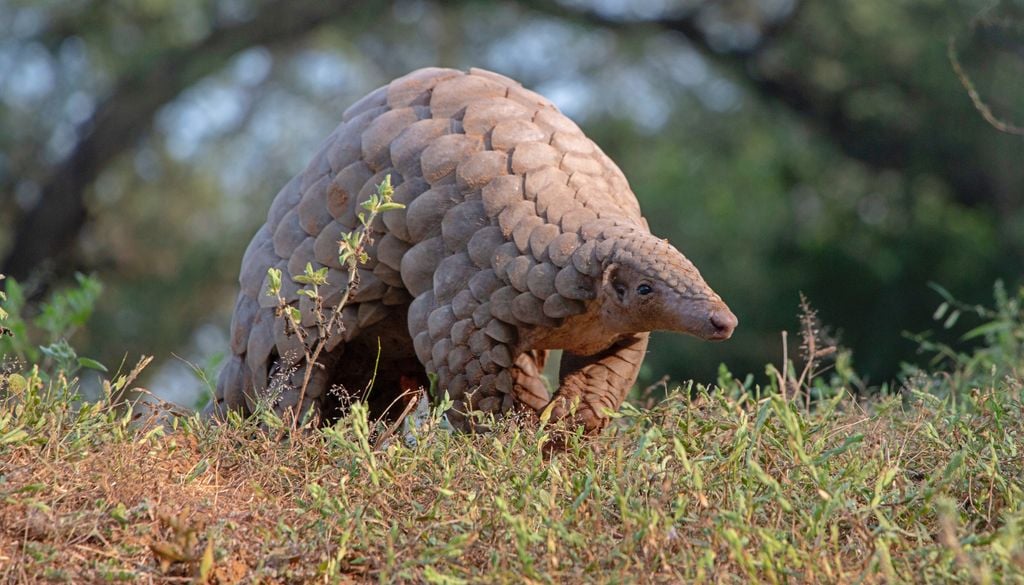
A study carried out by Fauna & Flora together with Cambodia’s Ministry of Environment, with funding from the foundation, used camera traps and other methods to study the wildlife in the area. The work made it possible to document numerous species of mammals and birds and locate animals that are particularly difficult to observe.
The presence of these animals makes the forest an important refuge in a region where habitat loss and human pressure continue to pose serious threats.
Thousands of snares continue to threaten wildlife
Poaching in Cambodia continues to be one of the main problems for wildlife conservation, particularly when it involves wire snares, which are difficult to detect and can remain hidden among vegetation, trapping animals of different sizes.
The Maddox Foundation says its monitoring teams continue to carry out patrols alongside the Cambodian authorities. During 2025, according to the organisation’s data, approximately 7,800 metres of wire used for snares were removed during patrol operations.
The forest rangers also use cameras to find out which species remain in the forest and identify areas that require more intensive monitoring.
The foundation itself explains that it currently works with the Government to strengthen enforcement of environmental legislation, community education and the protection of natural resources.
Protecting the forest also means protecting its inhabitants
Another element that sets the project apart is its focus on involving local communities. Conservation can hardly be sustained in the long term if people living around protected areas do not have economic alternatives.
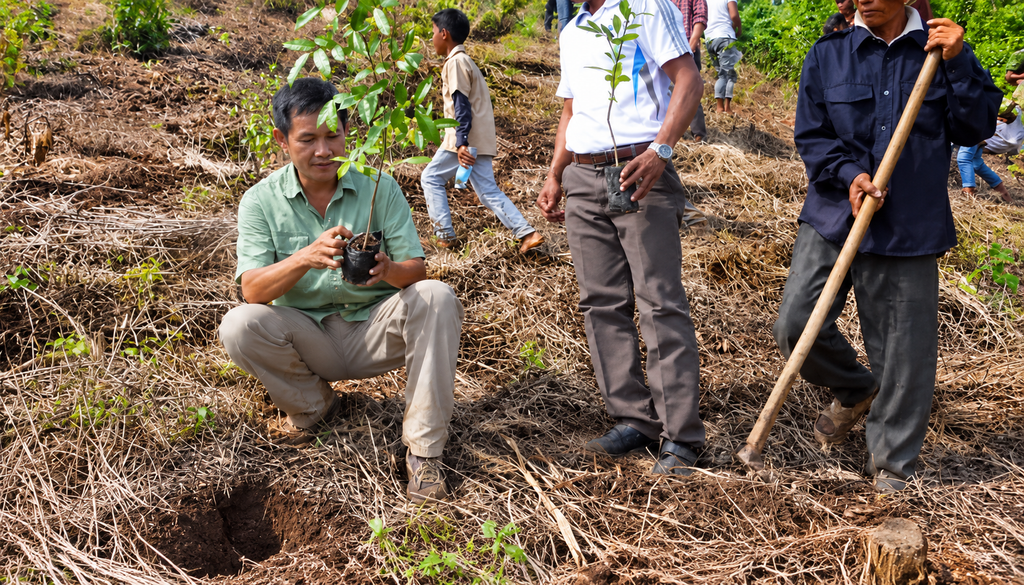
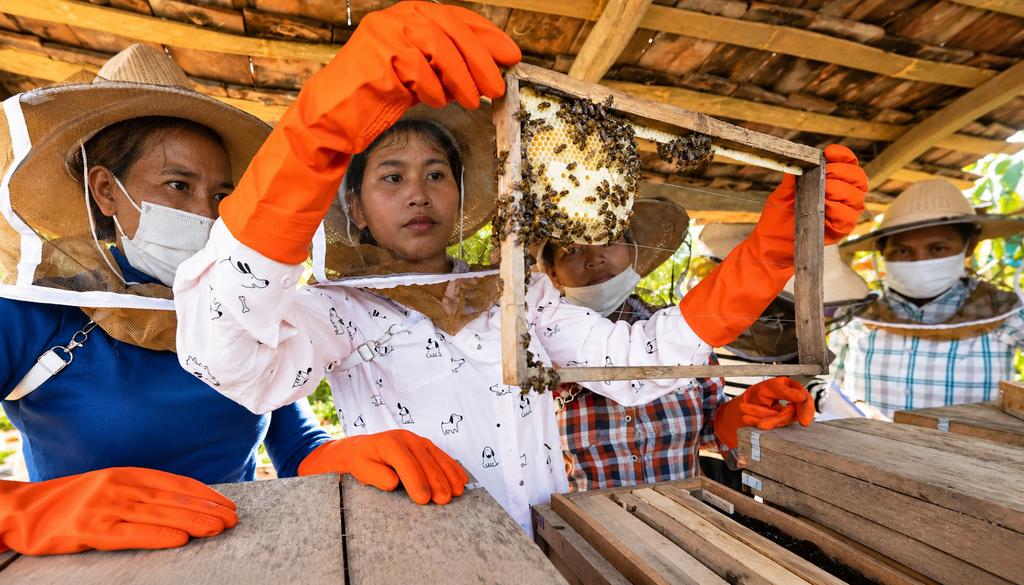
For this reason, the organisation has developed programmes for sustainable agriculture, reforestation and beekeeping. The honey production programme aims to provide farmers with additional income and reduce certain practices that are harmful to the environment.
In 2025, beekeepers involved in the project produced 1,392 litres of honey, according to the foundation’s data, contributing to the health of the local economy.
News reference
Fundación Maddox. (2026). Nuestra historia.