

The Finnish city of Helsinki has been testing how artificial intelligence (AI) can improve green spaces. Here’s how.

The Finnish city of Helsinki has been testing how artificial intelligence (AI) can improve green spaces. Here’s how.

The 2023 Canadian wildfires burned a record area of forest, but how many people suffered health problems or premature death caused by the air pollution?
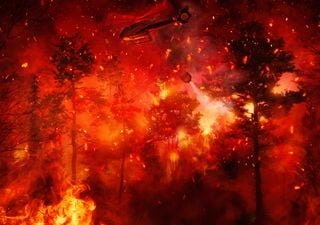
The chances of wildfire, and their strength, have been boosted by climate change caused by human activities.
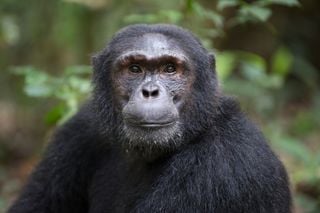
A theory that has influenced evolutionary biology for more than four decades turns out to have been wrong, new research has shown.
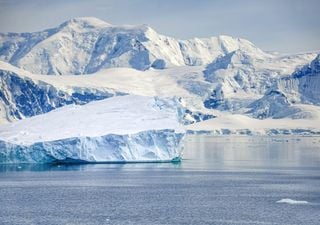
The remains of an Antarctic researcher lost in 1959 have been discovered by a Polish team among rocks exposed by a receding glacier in Antarctica.
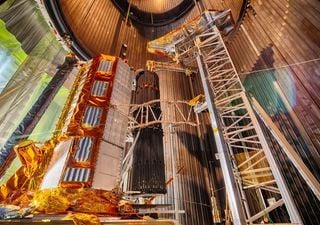
Two powerful radars will transform how the earth is monitored from space by detecting movement down to the nearest centimetre, even through clouds and in the dark.
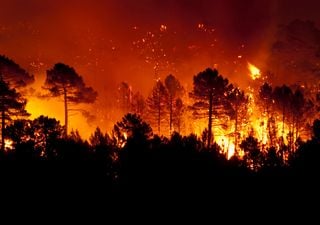
Satellite technology developers hope the images will be powerful aid to communities and firefighters.
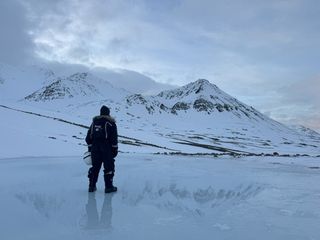
Scientists from a London university have raised a fresh alarm about the speed of global warming underway in the Arctic after a field trip earlier this year.
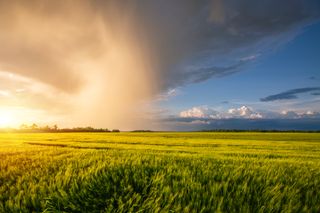
Scientists will use the simulator to study plant diseases, investigating how weather conditions affect plants, and their pollinators, pests and disease-causing microbes.
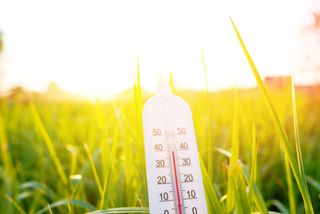
New projection takes into account level of warming and adaptation, aging populations, regional climatic differences and the potential impact of power outages on air conditioning.
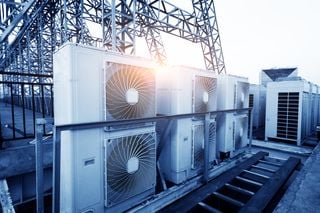
As temperatures rise due to climate change, so will the number of people in ‘cooling poverty’, according to the first global study of the costs of air conditioning.
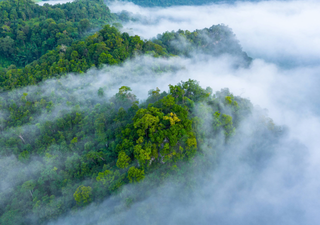
Experts in the most devastating impacts of climate change urge governments to prevent them.
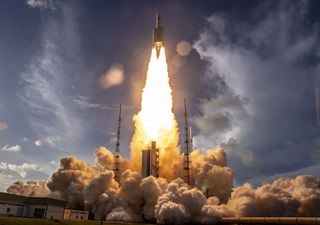
A satellite providing 3D profiles for temperature and humidity for Europe launched this week, part of a multi-year project to transform weather forecasting and climate monitoring.
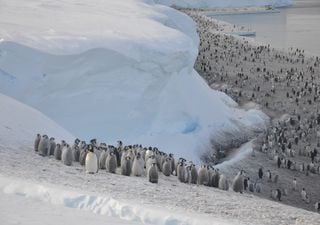
New insight from satellite images is raising fears that climate change is hitting penguins in Antarctica harder than previously thought.

Ocean acidification is more advanced than scientists thought, with profound consequences for marine ecosystems, and people who depend on the seas for food.
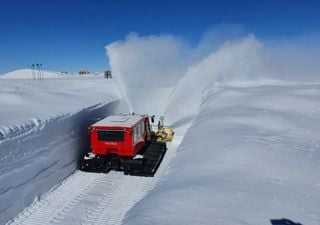
Scientists are in a race against time to store vital scientific information contained inside ice cores before climate change melts them.
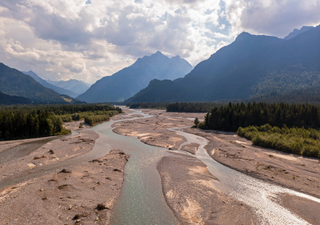
Europe's rivers are the most fragmented in Europe, resulting in significant loss of wildlife and plant species.
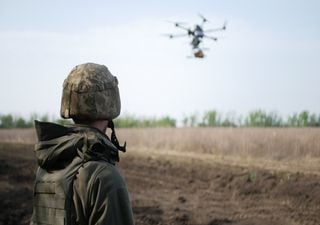
Frontlines in the Ukraine war are becoming entangled with fibre optic cables used by drones. Experts warn of impacts for people and wildlife.
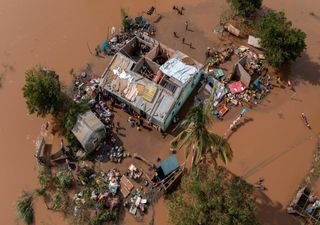
High temperatures, drought and flood are all threatening African communities, the World Meteorological Organization (WMO) warned. Technology is helping people adapt, but needs more investment.
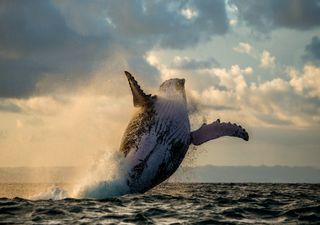
Veteran broadcaster says the documentary about the open seas is the most important of his career.