
A majority of the universe is made up of dark matter and dark energy. However, that is not all of it. Now, scientists have an idea what makes up the remaining missing parts.

A majority of the universe is made up of dark matter and dark energy. However, that is not all of it. Now, scientists have an idea what makes up the remaining missing parts.
Hydrogen has not been in most climate conversations due to it not trapping heat the way carbon dioxide or methane does. However, a new study shows that hydrogen has added to the planet’s global warming.
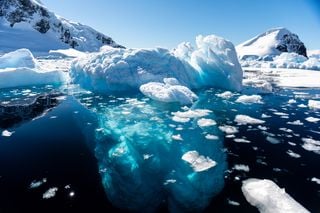
University of Utah mathematicians and a range of students took a trip to the Arctic to see how the physical environment affects life in and on sea ice using mathematical models.
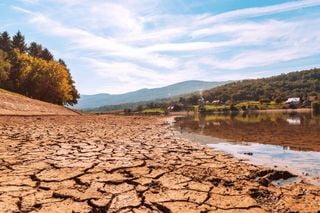
Day-zero droughts are periods of extreme and unprecedented water scarcity. Climate change, which is driven by fossil fuels, is throwing the global water cycle off balance, thus causing water scarcity.
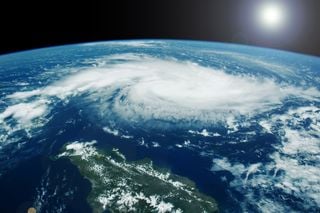
The bulk of hurricane activity happens from mid-August through September and into the first half of October. With the peak of the Atlantic hurricane season this week, the Atlantic basin is silent. Here is the outlook from the USA.
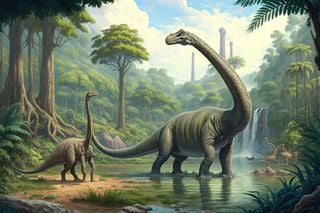
Climate scientists now have a new look at past climates. Teeth enamel from dinosaurs are a new way to determine the amount of carbon dioxide in the atmosphere when dinosaurs roamed the Earth.
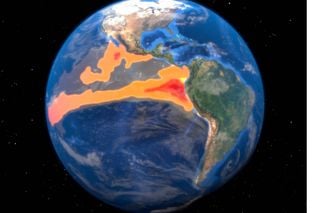
Before now, it has been nearly impossible to predict El Niño events in the south Atlantic Ocean. With a new AI, there is now the ability to predict these events months in advance.
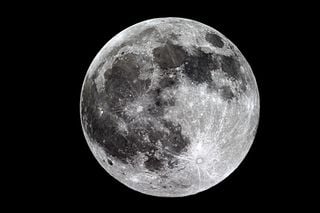
Scientists have found an advance in lunar sustainability. By using fabricated solar cells using simulated Moon dust, this creates a lightweight and radiation resistant energy source for future Moon missions.
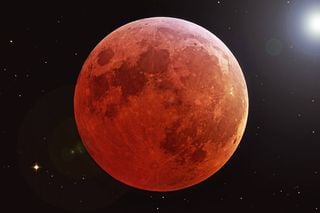
Mars has always been believed to have been red due to the rocks on its surface filled with iron. Scientists have published a new study in Nature showing the oxidation of a mineral to give the planet its red color.

After the Gulf Coast was left in a blanket of snow and cold temperatures last week, researchers are wondering about a connection between the polar vortex moving farther south and global warming.
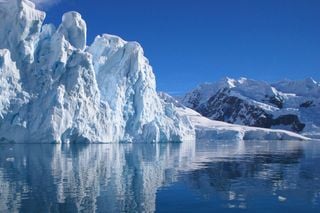
Scientists have published a new study warning of the collapse of a key ocean current, and the effects could have dire implications across the globe. The report discusses other climate tipping points as well.
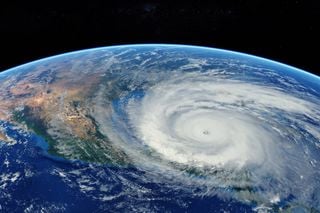
It is historically rare for a storm to reach 200 mph or more. However, it may not be as uncommon in the future. Rapid intensification as of late has opened this thought for scientists.
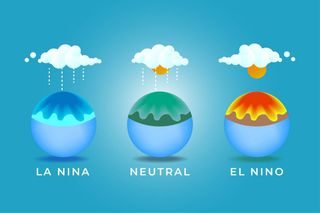
Scientists are still awaiting La Nina’s arrival. El Nino ended back in May, but conditions have not yet signaled the beginning of La Nina, which could have impacts on hurricane season and winter in the US.
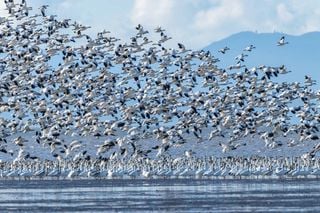
Weather radar picked up on something strange in the eye of Hurricane Helene at landfall, and it wasn’t precipitation. Scientists are saying it was a mass of birds trapped in Helene’s eye.
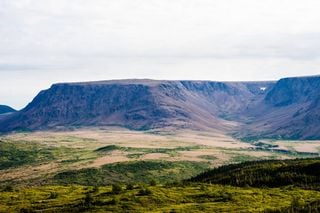
Earth’s topography is a result of what happens beneath the surface. In places like South Africa, Brazil and India, plateaus are in locations where plateau formation would be unusual, until now.
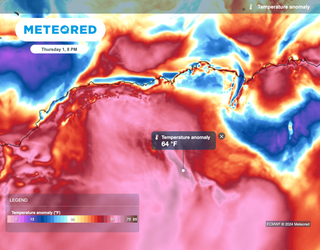
The middle of winter has brought a heat wave to Antarctica, and could last for a few more days. This is the second major heat wave for Antarctica in the last two years.
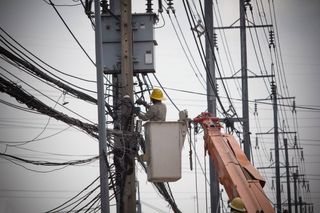
Millions of Texans in and around the Houston area are still without power after Category 1 Hurricane Beryl made landfall on Monday. Residents are not happy with the utility company, CenterPoint Energy.

Airplanes are known to go through turbulence, but severe turbulence like what was experienced earlier this week on a Singapore Airlines flight was rare, and it could become more common.
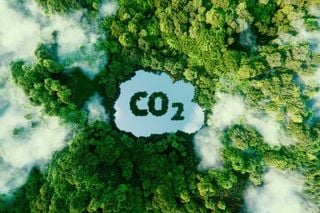
Concentrations of carbon dioxide in the atmosphere have increased every year since measurements began back in 1958, and it looks like they won’t decrease any time soon due to human activity.

A large opening in Antarctic sea ice left scientists puzzled for many years. Now, they have finally figured out what caused it. This process is also a cause for a decrease in overall sea ice levels in Antarctica.