
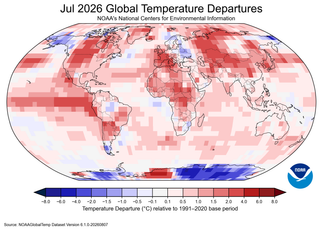
Our planet just received confirmation that this year is on track to be one of the top five warmest years on record, with the release of the July global climate report from the National Centers for Environmental Information.

Emmy award-winning, American Meteorological Society Certified Broadcast Meteorologist. Strong media and communication professional with a Bachelor of Science (B.S.) focused in Meteorology from Northern Illinois University.
Over 30 years of broadcasting experience in Chicago. Currently a broadcast meteorologist, reporter, and digital media writer for Fox 32 Chicago. Over 20 years of experience teaching meteorology at higher educational institutions, including Columbia College, Roosevelt University, and The School of The Art Institute of Chicago.
Tim is a passionate journalist who enjoys storytelling and reaching audiences through multiple digital platforms.
Our planet just received confirmation that this year is on track to be one of the top five warmest years on record, with the release of the July global climate report from the National Centers for Environmental Information.
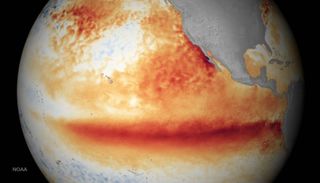
A powerful El Niño is cooking the climate record books, and it has yet to reach peak intensity, prompting the World Meteorological Organization to issue a call for action. The event will shape weather patterns worldwide for several months.

Earth's relentless warmth continued in June. Another month of exceptional global heat has nearly cemented 2026's place in the record books, with a major heat wave and melting sea ice making weather headlines.

Another round of soaking rain threatens the Southeast, where millions face flooding concerns. Behind the forecast is a bigger trend: rainfall is intensifying across most U.S. cities, increasing the risk of flash floods and deadly outcomes.

The American Lung Association 2026 “State of the Air” report ranks the cleanest and most polluted cities, revealing millions of children remain at risk while climate change and policy shifts threaten decades of air quality progress.
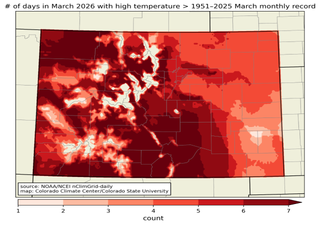
Two March heat waves helped drive several thousand U.S. record highs, far outpacing the number of record lows that were set. Colorado experienced unprecedented warmth, record temperatures, shrinking snowpack, and rapidly worsening drought conditions.

As 2026 continues its march towards a top-ten warmest year, a new report highlights Earth’s growing energy imbalance, with the oceans storing most of the excess heat, glaciers melting, sea ice shrinking, and 1.2 billion workers exposed to heat.
The February global climate report confirms that 2026 is on track to be one of the warmest years on record, virtually certain to rank among the top 10 and very likely the top five.

A warm start to winter helped lift 2025 toward the top of the list of the warmest years on record for the contiguous United States. Last year also made its mark with numerous billion-dollar weather and climate disasters.
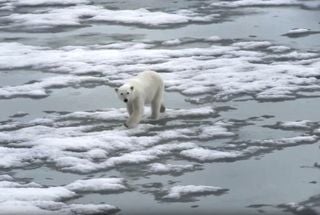
NOAA’s Arctic Report Card shows a rapidly warming region in trouble. The 20th annual report highlights threats like Atlantification and rusting rivers, underscoring how Arctic warming is outpacing the rest of the world and taking a growing toll.
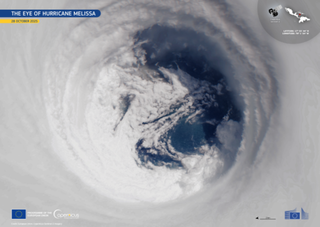
The 2025 Atlantic hurricane season is officially over. It lived up to most forecasters’ expectations. It was an active season with a near-normal number of named storms and major hurricanes, but an above-average number of Category 5 monsters.
Global heat records are being beaten at an alarming pace. Nearly 78% of Earth’s land has hit new monthly highs since 2000, with over a third in just the past five years—proof our planet’s land is heating dangerously fast.
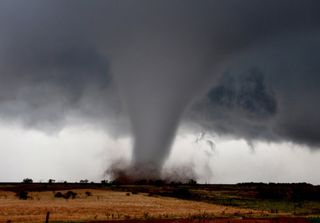
Earthquakes and heat waves and tornadoes, oh my! Americans were asked recently which type of natural disaster they considered the scariest. The winner was one type of disaster that nearly half of those surveyed feared the most.
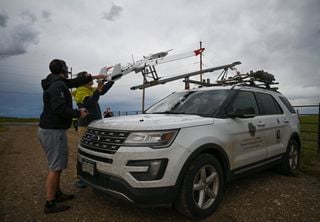
The largest field study on hailstorms that was launched during the middle of May is almost finished. Northern Illinois University’s “ICECHIP” study comprises approximately 100 researchers seeking enhanced methods to forecast, warn of, detect, and monitor dangerous hail.

A couple in New Mexico has a wedding photo that captured nature’s chaos swirling behind them on their special day. Their remarkable picture is now going viral on social media.

Santa’s sleigh won’t be the only thing zipping through the skies on Christmas Eve. A 120-foot asteroid will hurtle past Earth on Tuesday, traveling around 15,000 miles per hour.
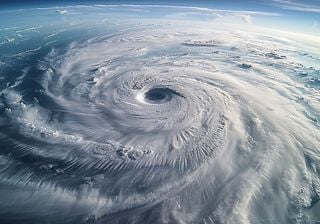
The 2024 Atlantic hurricane season saw an unprecedented surge in activity after a lull during peak season. According to a new analysis, our warming world made every storm this year worse.

Sky gazers will have plenty to look at this month. Two meteor showers, capable of producing brilliant fireballs, and a supermoon will adorn the night skies. Grab a good seat for the celestial shows.

World Weather Attribution (WWA) works with scientists worldwide to help quantify how climate change influences the intensity and Likelihood of extreme weather events. Their recent study found that human-caused climate change intensified the ten deadliest weather events since 2003.

It’s the second dire global climate report to be released this month. The United Nations 2024 edition of UNEP’s Emissions Gap Report says our world has a “gargantuan task” ahead of it to avoid “unthinkable” consequences.