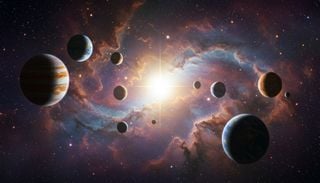
By reanalyzing data from the first year of operations of the TESS telescope, scientists have reportedly identified more than 1,000 new exoplanets, although some uncertainties about their exact nature still remain.

By reanalyzing data from the first year of operations of the TESS telescope, scientists have reportedly identified more than 1,000 new exoplanets, although some uncertainties about their exact nature still remain.
An experiment published in Physical Review Letters shows that particles can exhibit effectively negative interaction times.
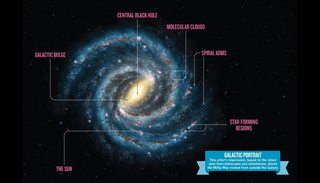
The analysis of stellar age allows us to determine where star formation gradually declines in the Milky Way and, therefore, at the edge of the galaxy.
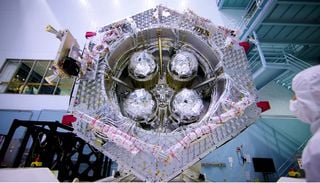
Roman is the new telescope recently presented by NASA. It is capable of exploring vast regions of the universe in search of planets beyond our solar system, gathering information about dark energy and dark matter, and collecting other data.
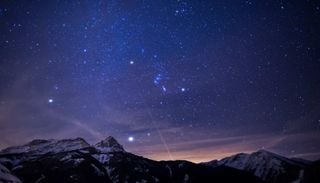
The night sky changes throughout the year due to the seasons, with stars appearing and disappearing.
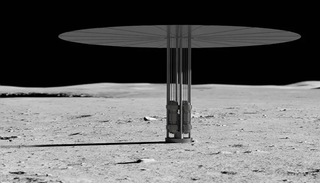
Discover how NASA plans to power the lunar South Pole through nuclear reactors, vertical solar panels, and smart electrical networks, laying the technological foundation for the future colonization of the Red Planet.
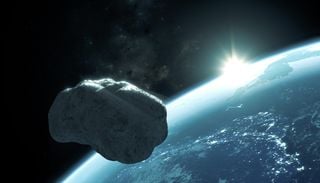
On April 13, 2029, a rocky visitor of colossal dimensions will cross the night sky, passing at a distance closer than that of our own artificial satellites.
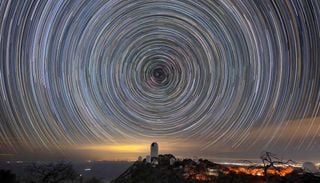
An ambitious international project created the largest three-dimensional map of the universe, revealing hidden patterns and providing new clues about mysterious dark energy.
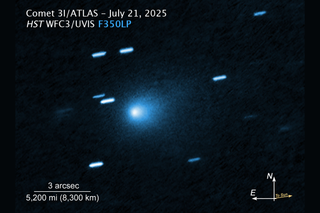
In the final moments of comet 3I/ATLAS in the solar system, observations revealed the presence of methane in its composition.
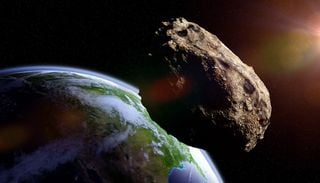
An asteroid will come very close to our planet in April 2029, giving the European Space Agency the opportunity to study it in detail thanks to the launch of a probe that will head toward it.
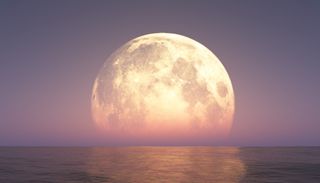
We have all noticed how the Moon looks enormous when it rises over the horizon. However, this phenomenon is a fascinating illusion created by our own mind.
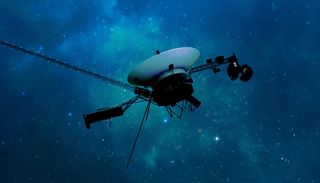
A sudden drop in power forced the shutdown of the low-energy charged particles experiment. This was part of a contingency crafted in advance by NASA engineers in the event of a sudden power drop.