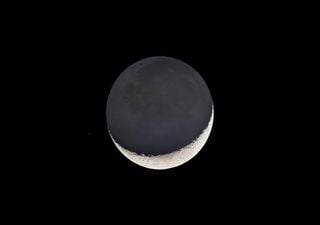
Sometimes the Moon seems to glow even on its dark side, and it is not an optical illusion, but a real phenomenon: Earth illuminating its own satellite in a curious and special celestial display.

Sometimes the Moon seems to glow even on its dark side, and it is not an optical illusion, but a real phenomenon: Earth illuminating its own satellite in a curious and special celestial display.
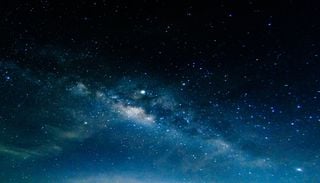
Discovered in the dwarf galaxy Pictor II, the star PicII-503 shows an extreme iron deficiency: this chemical signature makes it the clearest example of a star within a primordial system that preserves the chemical enrichment of the Universe’s first stars.
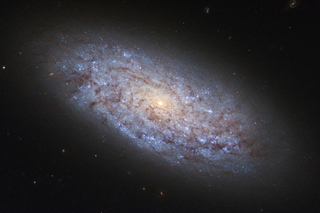
An article published in the Journal of Cosmology and Astroparticle Physics suggests that dark matter may be more diverse than previously thought.
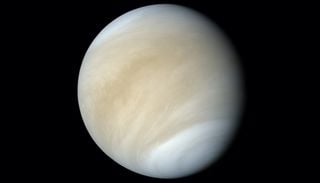
Although Venus’s surface is a toxic hellscape, its mysterious temperate clouds could hide extraterrestrial microorganisms originating from a distant past with a common origin shared with Earth.
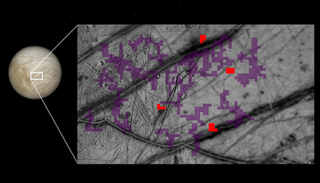
Beneath an immense shell of ice, Europa hides a global ocean. An incredible space mission is speeding through the solar system seeking to answer our greatest question: could it harbor extraterrestrial life?
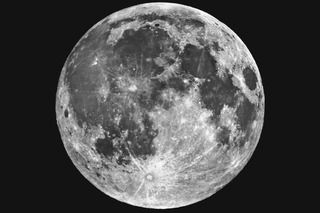
Artemis II entered a new phase in 2026 following its successful April 1 launch, and the next steps are already being planned.
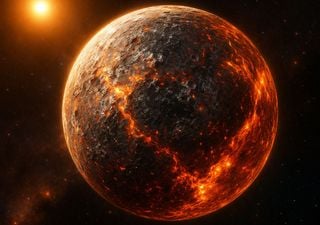
An exoplanet as dense as lead is challenging what we know about the universe. Its incredible compactness intrigues scientists and raises new questions: how do these extreme worlds form, and what do they reveal about planetary evolution?
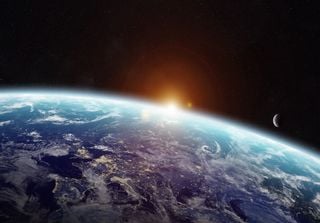
Fifteen new moons have been discovered in the Solar System: four orbit Jupiter and eleven orbit Saturn. And all of them offer fascinating clues about Earth's past.
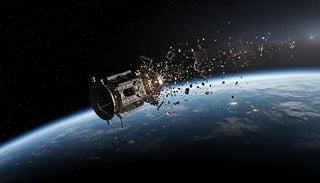
The recent Starlink satellite incident reveals new challenges in space, and its repeated fragmentations demand urgent responses to protect future missions and ensure global technological safety.
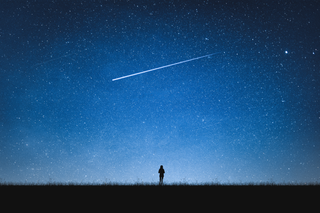
April began with the launch of Artemis II and will still feature another major launch, as well as a visible comet and a meteor shower.
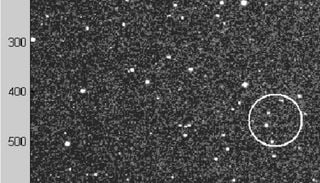
Astronomical photographs from the 1950s revealed unexplained flashes before the space age. Were they unknown objects in orbit or simply artifacts? Here we analyze the supposed mystery surrounding these objects.
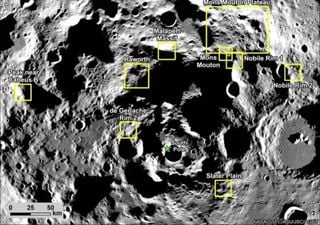
With the Artemis II mission currently on its journey towards the Moon, NASA and its scientific partners are advancing the selection of the site where humans will once again set foot on our natural satellite for the first time since 1972. A new study reduces the options and highlights the operational challenges in the lunar south pole region.