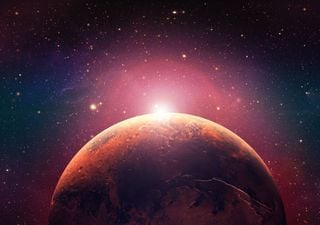
Crewed missions to Mars are becoming an increasingly near reality, planned for the next decade, but there are still some obstacles to overcome. One of the most important has to do with the human body’s response to gravity.

Crewed missions to Mars are becoming an increasingly near reality, planned for the next decade, but there are still some obstacles to overcome. One of the most important has to do with the human body’s response to gravity.
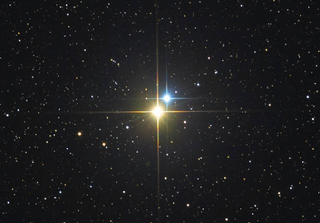
Binary stars are fascinating stellar systems that are fundamental to astrophysical research. Let’s explore what they are, how to observe them, and some famous examples of physical and visual binaries that are visible even with small instruments.

SpaceX’s proposal to launch up to one million satellites for data centers reignites tensions between technological innovation, environmental impact, and the future of the night sky.
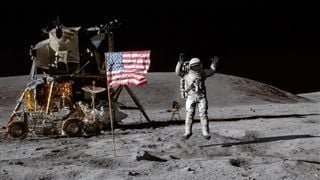
NASA is preparing its return to the Moon with a strategic shift, more infrastructure and reusable technology, as well as the goal of learning how to live beyond the planet.
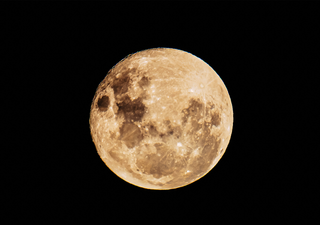
The next full moon, in April, will determine the date of Easter. This has been the case for nearly two thousand years, since the First Council of Nicaea decided how to establish the date of this religious holiday.
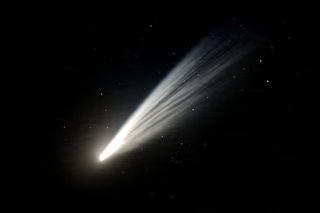
Historic images captured by the Hubble Space Telescope make it possible to analyze in real time how comets fragment as they leave the solar system.
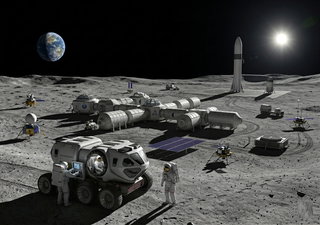
NASA's new plan is fascinating and revolutionary: to build bases on the Moon as the ultimate stepping stone to reach Mars, marking the beginning of an unprecedented era of space exploration.
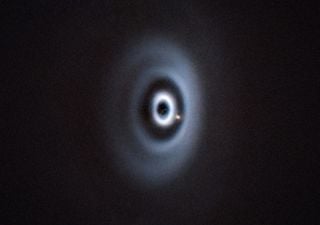
Two protoplanets, one five times as big as Jupiter and the other ten times the size, are forming near the young star WISPIT 2.
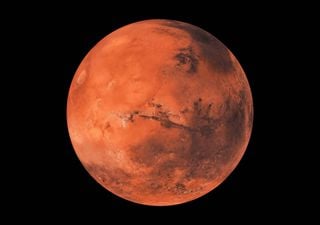
What effect do solar storms have on the atmosphere of our sister planet, Mars? Imperial researchers investigate.
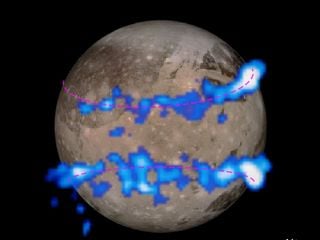
Ganymede stands out in our solar system as the largest moon, even surpassing planets like Mercury, and for harboring a saltwater ocean beneath its icy crust.
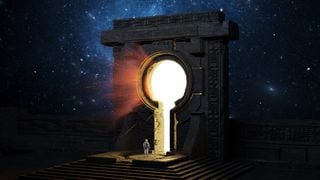
A recent study suggests that searching for unusually cold stars could reveal alien megastructures. The key lies in detecting the residual heat these civilizations would emit when harnessing vast amounts of stellar energy.
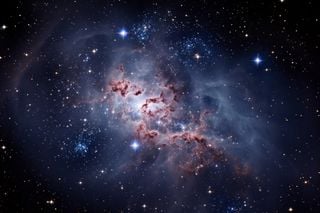
Motions of the stars and gases within the Small Magellanic Cloud have long been viewed as irregular when compared to other galaxies. A recent study points to the likelihood of a collision with its neighbor.