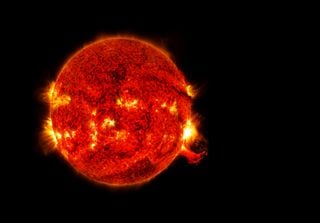
ESA's Solar Orbiter mission reveals how the Sun accelerates electrons to near the speed of light, distinguishing two key processes, according to astrophysicists.

ESA's Solar Orbiter mission reveals how the Sun accelerates electrons to near the speed of light, distinguishing two key processes, according to astrophysicists.
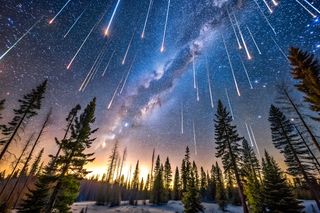
The Epsilon Perseid meteor shower could light up the September sky tonight, peaking today, on the 9th of September. We'll tell you where it originates and give you practical tips for observing it.
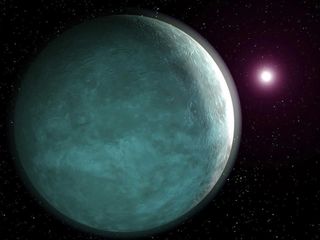
NASA astronomers have created a groundbreaking model to map starspots on distant stars using data from TESS and Kepler, revealing hidden details that transform the search for exoplanets.
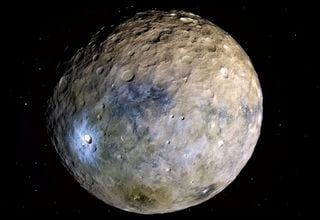
A new NASA study reveals that Ceres may have had a persistent energy source billions of years ago, which could have supported a hypothetical habitability.
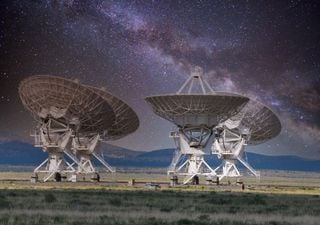
A modern analysis of the 1977 records corrected key data about the famous "Wow!" signal, increasing the precision of its origin and strength. Although human sources are ruled out, its astronomical nature remains a mystery.
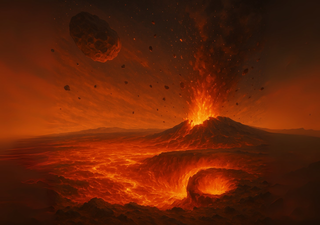
New seismic data from NASA's InSight mission reveal that Mars's mantle is riddled with mysterious rocky clumps, remnants of cosmic impacts that occurred more than 4.5 billion years ago. What else does the red planet hide?
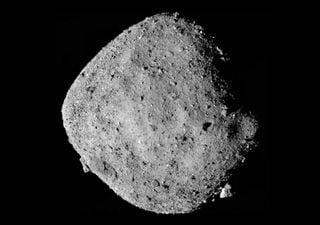
New analyses of samples returned by the OSIRIS-REx mission reveal that Bennu is a cluster of materials that formed in different corners of the cosmos, from the inner solar system to extinct stars.
A basic error led to one of NASA's most costly failures, but it also marked a turning point in the design of procedures that prevent fatal misunderstandings.
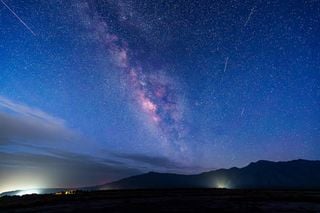
This September 2025, prepare for a unique celestial spectacle: the Aurigids. A rare astronomical event awaits you in the sky with stunning meteors. We'll tell you when and how to observe them.
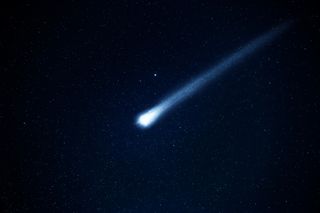
As the third-ever-confirmed interstellar object 3I/ATLAS races deeper into our solar system at high speeds, researchers using the James Webb Space Telescope have revealed surprising results regarding its composition.
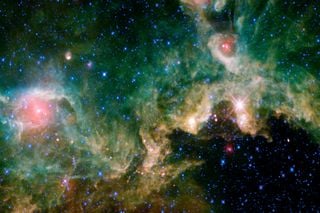
With its advanced technology and 18 detectors operating simultaneously, it will map the deep sky and observe thousands of supernovae to understand how the accelerated expansion of the Universe works.
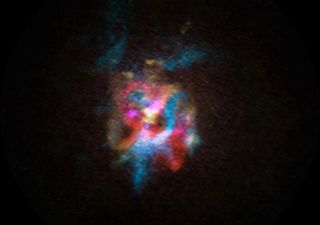
A bubble of dust and gas surrounding a red supergiant star surprises scientists by being the largest ever to be observed within the Milky Way.