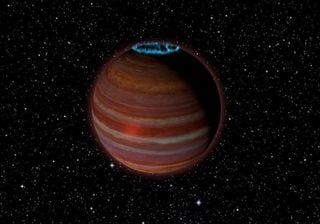
Scientists have discovered a very hot planet with significant auroral activity. Detailed observations were made using the James Webb Space Telescope.

Scientists have discovered a very hot planet with significant auroral activity. Detailed observations were made using the James Webb Space Telescope.
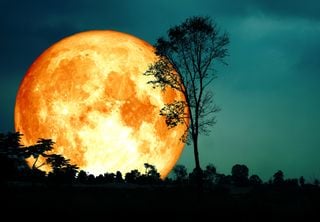
Skywatchers are in for a treat this October, when the Harvest Supermoon lights up the night with its golden brilliance, appearing bigger and brighter than any other full moon in 2025.More information: Will we have another mini-Moon? Scientists detect a new "quasi-satellite" orbiting Earth
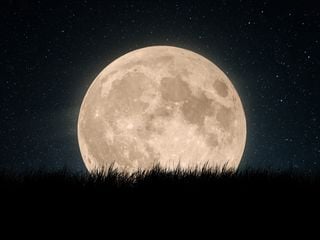
The October sky presents us with a spectacle of bright planets, meteor showers, and observational challenges that await us, reminding us that astronomy is within reach of any pair of curious eyes.
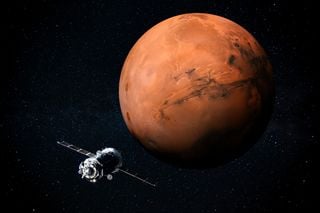
At the speed of light, Mars would be minutes away. However, real missions take months. Why is traveling to the Red Planet such a fascinating orbital challenge?

It's clear that space weather now plays a fundamental role in the development of life and technology on Earth. Some scientists have discovered similarities between the Sun and other stars that could improve future predictions.
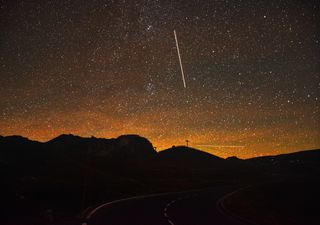
Looking at the night sky can be a truly amazing spectacle, but identifying what we're seeing isn't always so easy.
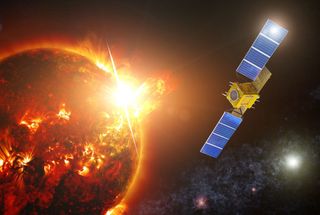
Space weather forecasts have become increasingly important over the years, and NASA has now decided to use AI to improve its solar storm predictions.
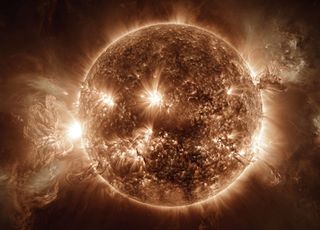
While scientists thought our star was going to enter an especially quiet phase, solar activity, on the contrary, has been steadily increasing for about 15 years.
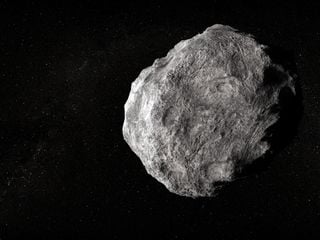
Astronomers have discovered 2025 PN7, a "quasi-satellite" orbiting Earth. While not a true moon, it reveals the fascinating dynamics of our cosmic neighborhood.
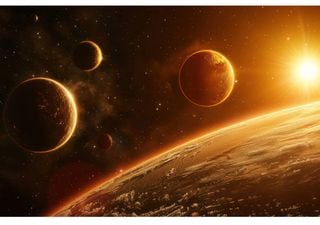
Exoplanets are explored as a prospect for life outside our Solar System. But when were the first exoplanets discovered and how?

What began as a friendly joke on the Gemini III mission ended in political debate, media criticism, and a change in NASA's safety protocols.

Contrary to what we're taught in school, autumn almost never falls on the 21st of September on the calendar. While this year it will be the 22nd, at a specific time, more unlikely dates sometimes prevail: here's why!