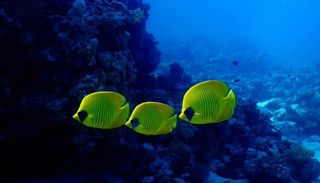
A major biodiversity study has found that species facing greater extinction risk are more likely to show local declines over time, offering researchers a potential early-warning tool for conservation efforts.

A major biodiversity study has found that species facing greater extinction risk are more likely to show local declines over time, offering researchers a potential early-warning tool for conservation efforts.

After decades of being cleared for fish farms and coastal development, the world's mangrove forests are gaining more area than they're losing – and most of the recovery is happening on its own

The fungus causes severe skin infections in cats and people, and health officials say surveillance will be critical as the disease reaches new areas.

Octopuses have nine functional brains, three hearts and remarkable intelligence, challenging everything we know about animal evolution. They play, dream and solve problems, leading some scientists to consider them the closest thing to an alien mind.
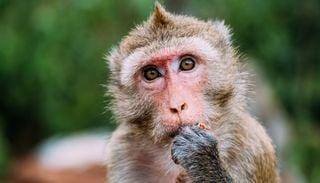
Animal time perception may depend on multiple windows that shape how species process motion, sound, and attention.
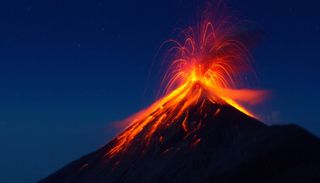
Why do some volcanoes erupt violently, while others are much less explosive? New research from the University of Manchester may have the answer.
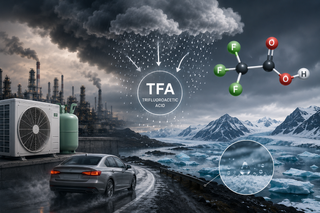
The refrigerants and gases brought in to protect the ozone layer have been quietly producing a persistent forever chemical called TFA that's now turning up everywhere from rainwater to Arctic ice
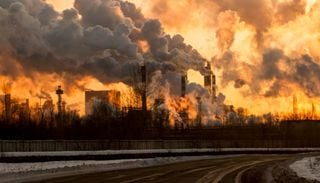
A new study explores a previously overlooked relationship between fossil fuel infrastructure and renewable energy systems, but what does it mean for the future?
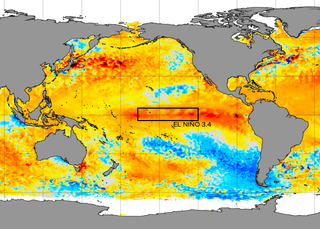
A recent study suggests that the signs heralding an El Niño event may appear much earlier than current forecasting systems use. The key lies in the "memory" of the tropical ocean.

New research suggests Earth’s earliest complex life forms lived in shallow, oxygen-rich coastal seas around 1.7 billion years ago. The findings challenge previous theories and offer new clues about life’s evolution.

Scientists have gathered unprecedented evidence showing how surface melting may accelerate Antarctic glacier movement, offering new insights into ice loss and its potential consequences in a warming world.
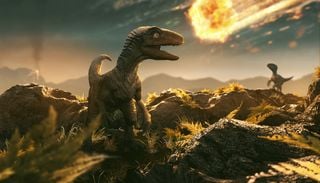
The Chicxulub asteroid impact is well-known for wiping out the dinosaurs 66 million years ago, but scientists have discovered it may also have had a hand in creation too.