
Time May Move Differently Through Animal Minds
Animal time perception may depend on multiple windows that shape how species process motion, sound, and attention.
Nonhuman critters may not experience time as faster or slower than humans perceive it, but rather through what researchers call a species’ “timescape”—a set of temporal windows that shapes sights, sounds, and events as they unfold.
How Nonhumans Experience Time
The timescape framework moves beyond the idea of a single perceptual speed, breaking animal time perception into testable processes: how species bind moments together, revise recent perceptions, hold information briefly, and shift attention through a changing world.
The research, published in Trends in Cognitive Sciences, focuses on perception at very short timescales from milliseconds to seconds—short intervals that can determine whether events are fused into a single percept, updated by later information, briefly retained, selected by attention, or held as one stable interpretation.
Beyond Fast or Slow Vision
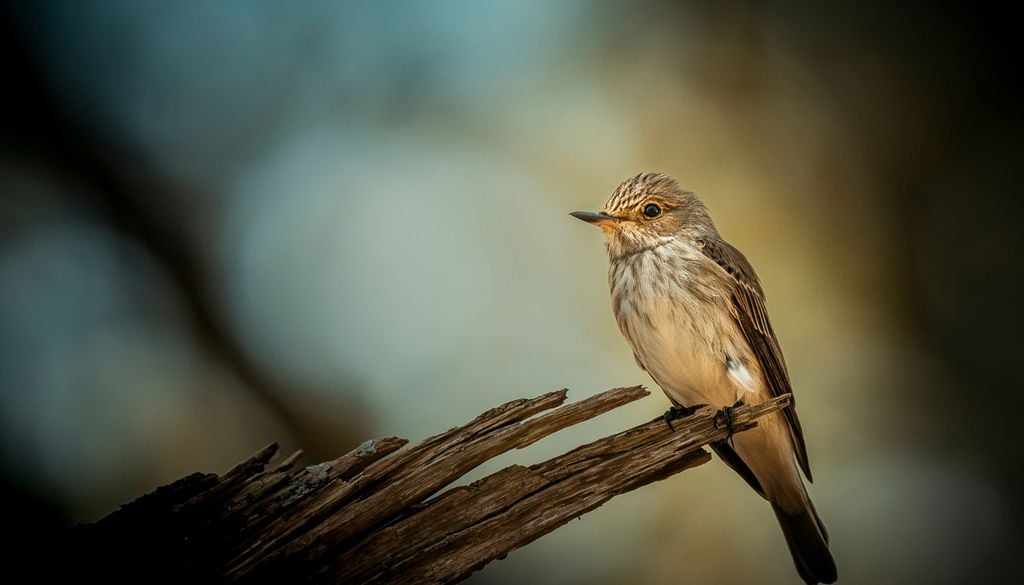
A common measure in animal perception is the critical flicker fusion threshold—the point at which flickering light appears steady. Humans usually stop detecting flicker at about 60 hertz, while some birds and insects can register much faster changes.
That difference has encouraged the idea that animals with rapid visual systems essentially see the world in slow motion. But some researchers believe that this conclusion goes too far. Flicker sensitivity reveals part of visual processing, especially in the retina, but it does not show how the brain organizes motion, sound, memory, or attention over time.
The timescape framework divides temporal perception into five windows. The synchronization window describes how sensory signals are bound into a single percept. The revision window captures how later information can reshape the perception of an earlier event, while the persistence window describes how long perceptual content remains after a stimulus disappears.
The final two windows involve attention and perceptual stability. One measures how attention is deployed, interrupted, or shifted. The other tracks how long one interpretation persists when an animal encounters ambiguous or competing information.
Illusions Reveal Hidden Timing
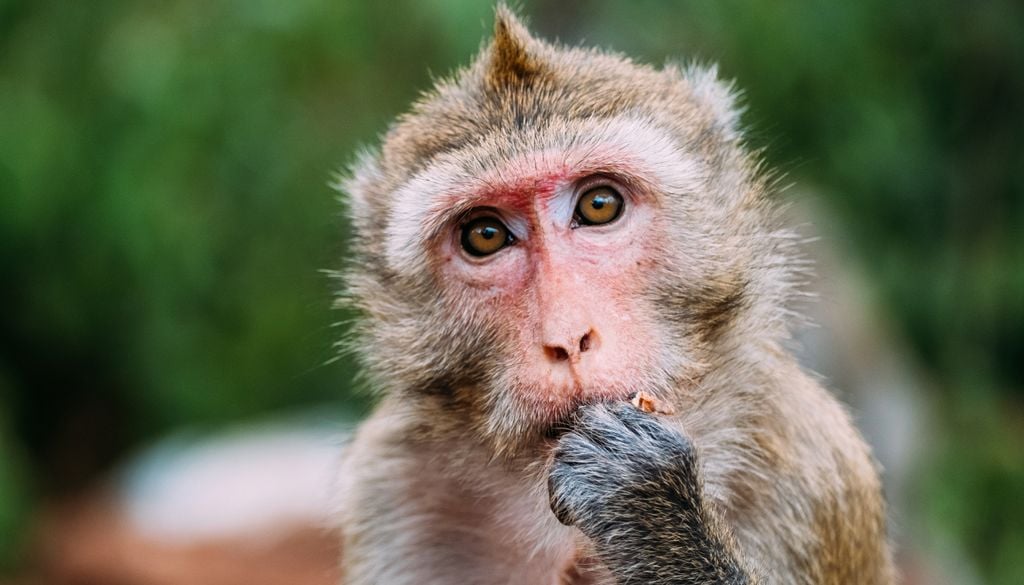
Temporal illusions give scientists a way to test these windows across species. For example, in the flash-lag illusion, a briefly flashed object appears to trail a moving object, even when the two are actually aligned. Humans and macaques both show the effect, but macaques appear to experience a smaller offset.
They also reveal how perception can shift after an event has passed. In apparent motion, two still images shown in rapid succession may be perceived as a single object moving between positions. Humans tend to perceive this effect over shorter intervals than mice, suggesting that species differ in how long separate events can be linked into a single moving percept.
Sound demonstrates another layer of variation. Humans can sometimes hear a tone or texture as continuous even when noise briefly interrupts it. Ground squirrels and starlings show a similar filling-in effect, but only across much shorter gaps.
While these observations do not reveal exactly what another animal consciously experiences, they do reveal that species differ in the timing rules their nervous systems use to assemble sights, sounds, and events into an ongoing stream.
Timing Beyond the Lab
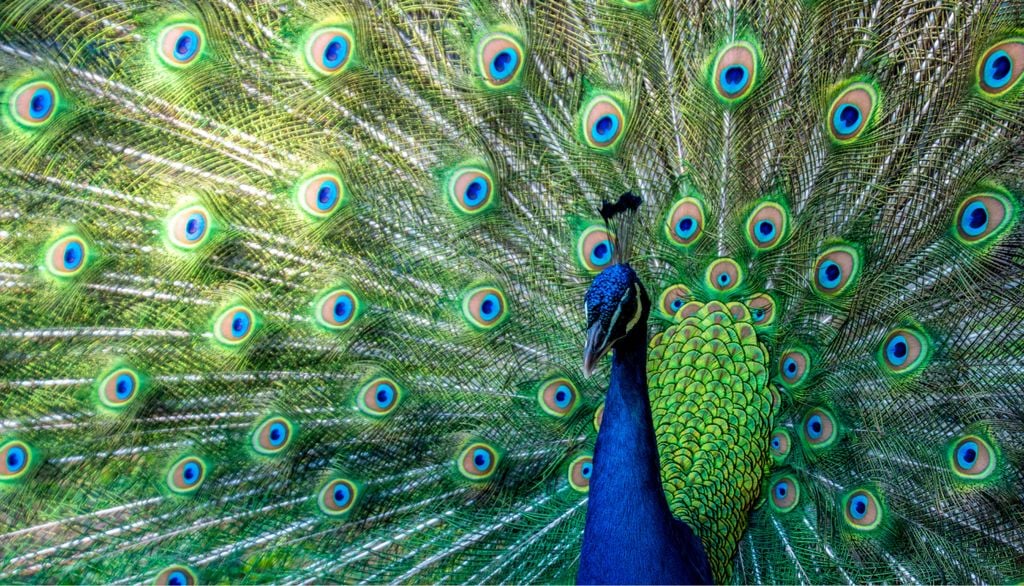
The framework may also help explain animal behavior in natural settings and, in turn, support conservation efforts. Courtship displays, predator-prey encounters, warning signals, and group coordination all depend on timing. A peacock’s shimmering display, the motion of high-contrast stripes, or the split-second order of competing insect calls may all interact with the temporal limits of perception.
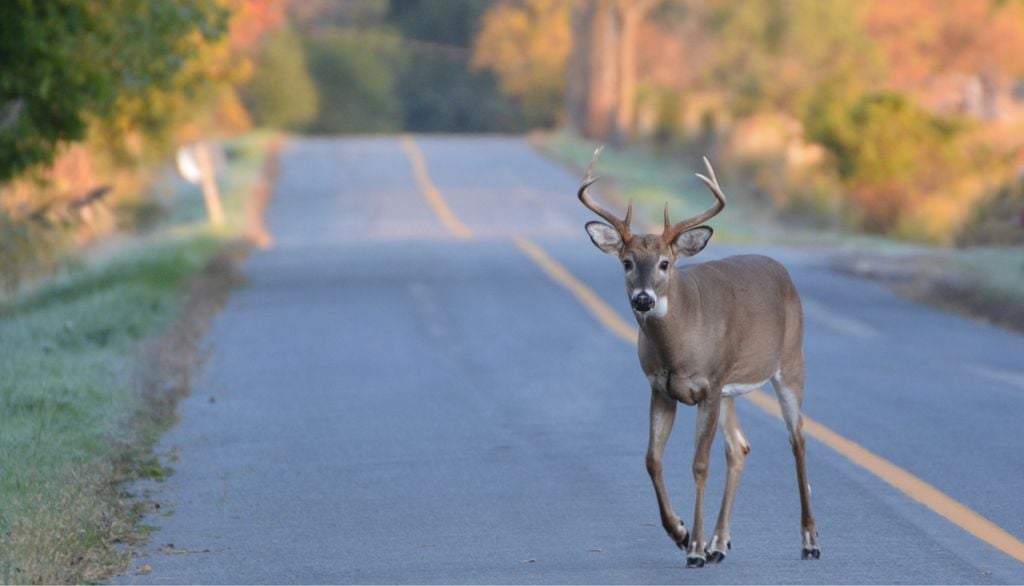
For example, if fast-moving turbine blades blur in ways that make them harder for some birds to see, species-specific perception could inform safer designs. Warning signals near roads and railways might also be more effective if they are tuned to animals’ patterns of attention, rather than to human assumptions about what feels urgent.
The research still leaves questions open about how timescapes vary across senses and whether some species have temporal features of experience that humans lack.
To better understand humans and nonhuman animals alike, future research may need to map the distinct timing rules that shape how different species perceive the world.
News reference
Patterson, M.. (2026). Do animals perceive time differently from humans?.
Singhal I., Birch J., Seth A.. (2026). Timescapes of non-human experience.