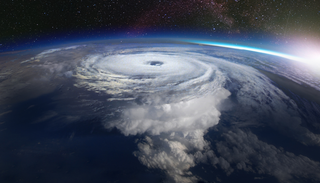
From the uneven distribution of radiation emerges one of the most important structures in the planet’s climate. A system that fuels rainforests, shapes deserts, and determines when hurricanes can form.

From the uneven distribution of radiation emerges one of the most important structures in the planet’s climate. A system that fuels rainforests, shapes deserts, and determines when hurricanes can form.
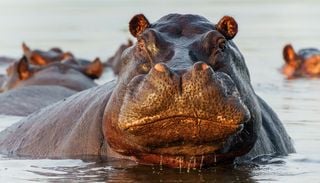
There are sounds present in nature or generated by the activities of any city that the human ear cannot perceive. However, the effects on the body are evident and not positive.
The United States has begun declassifying official files on UFOs, including previously unseen videos, photos, and military reports, reigniting the global debate about unidentified aerial phenomena and the possible existence of extraterrestrial life.
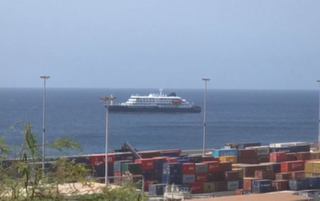
The latest WHO reports confirm 8 cases on the cruise ship that crossed the Atlantic after departing from Argentina. The Canary Islands are preparing to receive the vessel, where tensions continue to rise each day.
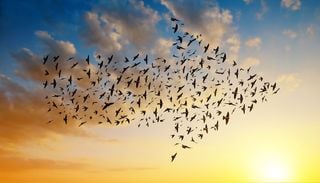
Bird migration, one of the largest natural movements on Earth, reaches peak in May, hundreds of millions of birds take to the skies toward summer breeding grounds in search of food and warmer weather.
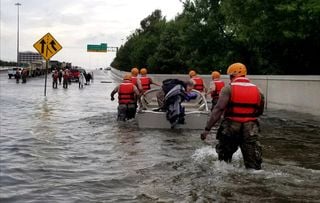
Another round of soaking rain threatens the Southeast, where millions face flooding concerns. Behind the forecast is a bigger trend: rainfall is intensifying across most U.S. cities, increasing the risk of flash floods and deadly outcomes.
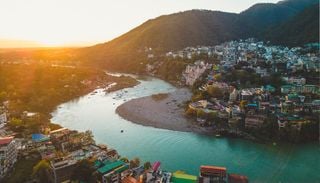
India has been battered by extreme heat, with the India Meteorological Department forecasting above-average heatwave days in several areas this year.
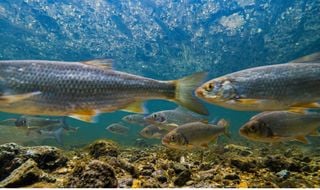
Of the 558 native species of freshwater fish in Europe, nearly six out of ten native species show a high level of conservation concern.
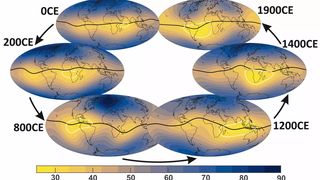
An international study shows that two thousand years ago there was already a geomagnetic anomaly with a pattern similar to the current South Atlantic Anomaly.
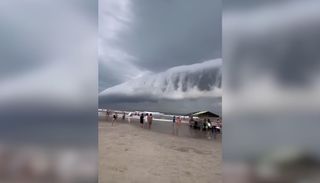
An impressive roll cloud, resembling a tsunami in the sky, astonished beachgoers at Riviera de São Lourenço in Brazil. The meteorological phenomenon was accompanied by strong wind gusts and prompted warnings from the local Civil Defence.
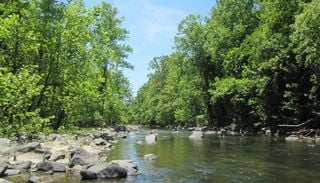
In our anthropogenic view of the world, humans occupy center stage and nature is malleable to meet our needs. This view must change if we are to overcome climate change.
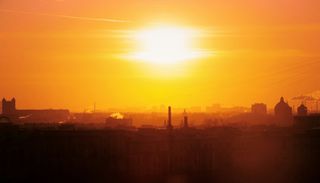
The Lancet Countdown 2026 report confirms that climate change is already deteriorating health in Europe, with more deaths from heat, the spread of diseases, and increasing exposure to environmental risks.