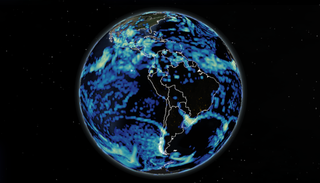
Have you ever wondered what the weather was like on a particular day in the past? A new digital platform makes these meteorological journeys through time possible.

Have you ever wondered what the weather was like on a particular day in the past? A new digital platform makes these meteorological journeys through time possible.
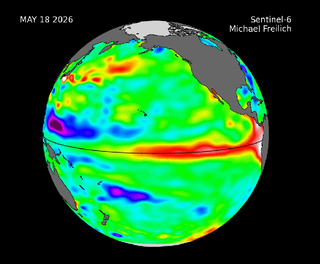
The Sentinel-6 Michael Freilich satellite, which measures the height of the entire ocean every 10 days, has detected higher and warmer water moving eastwards across the Pacific Ocean.
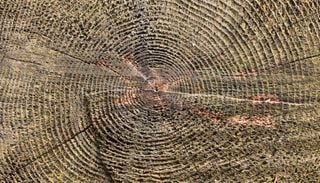
Is climate change really the cause behind extreme weather events? Have they never occurred before? Scientists turned to growth rings of Amazonian trees to find out.
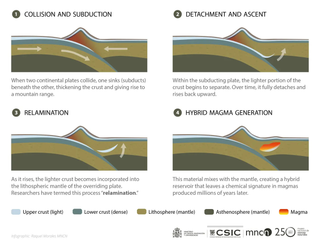
New research published in Nature suggests that the crust and mantle have been mixing for billions of years, reshaping continents from below.
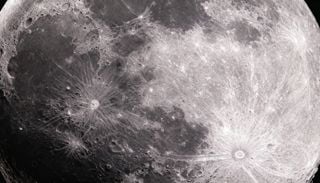
The new space race has once again raised the question: who can claim the Moon? Between international treaties, commercial interests and geopolitical ambitions, Earth’s satellite is becoming a strategic territory for the future of humanity.

The FIFA World Cup is just a few days away. Cooling breaks are mandatory in each half, but the game could see more disruptions due to weather, warn experts.

Pangolins are the most trafficked mammals in the world. Their meat is highly valued as a luxury item, leading to large-scale illegal trafficking across Southeast Asia. However, reports from local communities repeatedly help make their rescue possible.
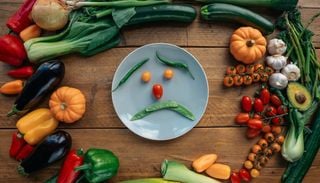
Best-before dates do not mean that you need to throw the contents away the day after. Not knowing this difference leads to food being binned every day in the UK and Europe. This needs to be fixed immediately as the cost-of-living crisis escalates.
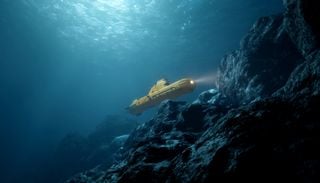
The exploration of oceans around the world carried out by the organization Ocean Census during 2025 led to the discovery of a large number of new species.
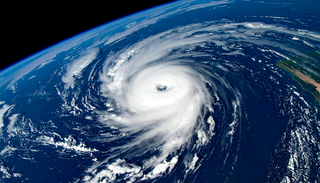
Meteorologists warn that the Mediterranean Sea may already be capable of generating true hurricanes due to climate change. We review some of the most recent examples.
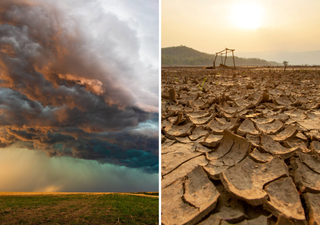
The 2026 El Niño remains in a neutral phase this spring, but there is a high probability it could become very intense later this year, with a possible super El Niño developing between 2026 and 2027.
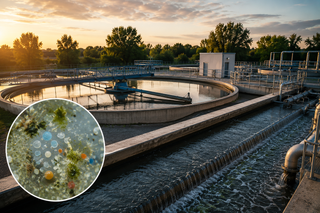
Microplastics slip through most water treatment systems because they're just too small to catch. A team in Missouri has engineered algae that grab onto them instead