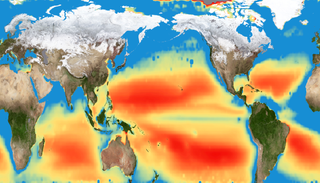
A recent study revealed that nutrient stress in the world's oceans is strongly correlated with the seasons and major climate cycles such as El Niño and La Niña, among others.

A recent study revealed that nutrient stress in the world's oceans is strongly correlated with the seasons and major climate cycles such as El Niño and La Niña, among others.
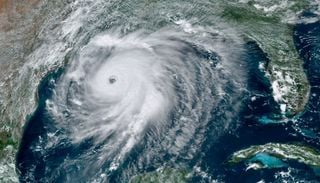
Tropical cyclones have different names depending on the ocean basin where they form. They differ substantially from extratropical cyclones (storms): we explain them here.

The echinoderms have appeared stranded on several beaches in Mae Ramphueng, where they have tinted the coastline a striking shade of pink. Authorities are investigating this unusual phenomenon, while scientists point to rainfall and ocean currents as possible causes.

The scientific community is urging the World Health Organization to recognize the climate crisis as a global health emergency. The request aims to place the impacts of global warming on the same level of international alert as major epidemics.

A UN report warns that a lack of data makes it difficult to measure AI’s environmental footprint and notes that certain tasks significantly increase its energy consumption, electronic waste, and impacts on land and water resources.
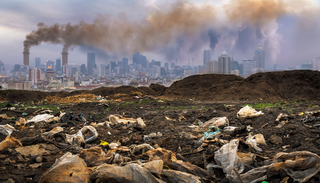
The scientific community has retired the most extreme climate scenario used for years and, far from questioning global warming, the decision reflects how the energy transition is already changing the future.

The north-eastern sector of Rome, particularly the Montesacro area, was hit on the morning of 3 June by a tornado generated by a supercell thunderstorm. Severe damage was reported, with at least 50 trees uprooted, a market devastated by the wind, destroyed cars and widespread fear.
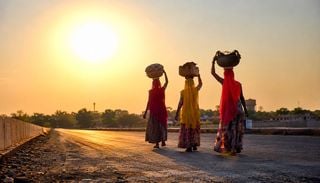
Extreme heat in the Indian city of Banda during May, with temperatures reaching up to 48°C, has dramatically altered working hours, local businesses and access to water.
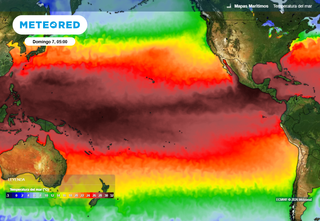
We examine the relationship between Kelvin waves, the marine heatwave in the equatorial Pacific, and the approaching arrival of El Niño. The 2026 event could become a particularly intense one.
Meteorologists predict temperatures above normal in nearly all parts of the world from June to August, and possibly into November as El Niño builds in the oceans.
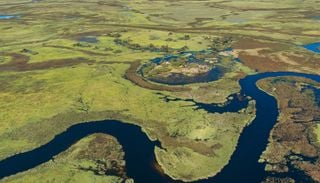
The Okavango River is a river that vanishes into the Kalahari Desert after an extraordinary journey through Angola, creating an inland delta that is crucial for biodiversity and one of the most extraordinary ecosystems in Africa.
In meteorology, June, July, and August are grouped together as the warmest months of the year. This allows meteorologists and climatologists to keep statistical records that are much more accurate and easier to compare from year to year.