
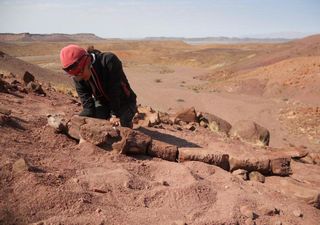
This giant salamander-like “monster” topped the food chain before the dinosaurs, a new fossil discovery shows.

This giant salamander-like “monster” topped the food chain before the dinosaurs, a new fossil discovery shows.

There might not be one perfect approach to a problem, but multiple methods. Alternative ideas can even save more resources than the "optimal" ones. These ideas are gleaned out of a computing based study exploring possibilities of animal behaviour.
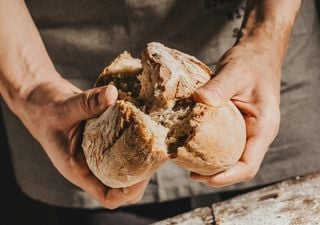
Scientists have applied for a patent for a bread they developed which they have shown can reduce incidences of asthma. How does it work and what are its ingredients?
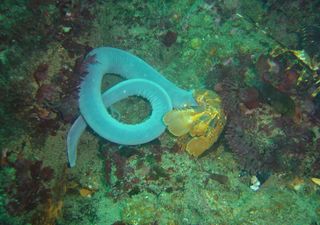
Hagfish are strange, somewhat scary creatures with a skull and no spine. Scientists have done something quite unique to peer into the "home" burrows of hagfish in seafloor sediments, by creating a transparent tank made out of gelatine.

Researchers have added to the debate around creativity and AI by seeing how children interact with AI for creative tasks. What do the children think?
Researchers read Twitter posts to understand how the public respond to important important extreme weather updates, like for storms, looking at two hurricanes in the US for comparison.

Why are researchers calling dogs "sentinels" of human wellbeing? There may be a closer link between a person's quality of life and their pet dog than first thought.
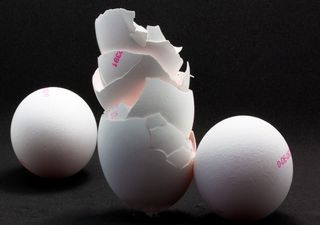
A research team in Ireland have cracked a case on finding a “green” way to recover Rare Earth elements — but in a way nobody would have suspected, by reusing eggshell waste.
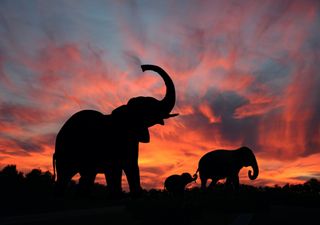
Scientists have confirmed what conservationists have previously suspected, that elephants call each other by names.

Linguists and researchers have scanned people's brains to realise that the brain responds to negated phrases like "not bad" much slower, with more varied interpretations in their meaning. Find out more!
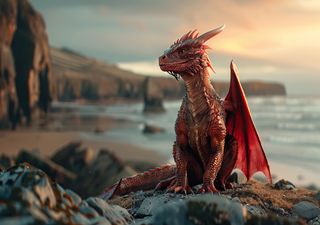
It was once thought that Wales was devoid of dinosaur remains. A major fossil finding in Wales now shows that "dragon" dinosaurs and other prehistoric life that once roamed these lands.
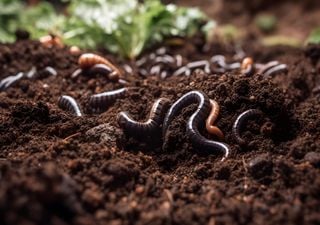
Worms churned up the "groundwork" that led up to a major diversification event in Earth's history, researchers at Johns Hopkins University suggest.
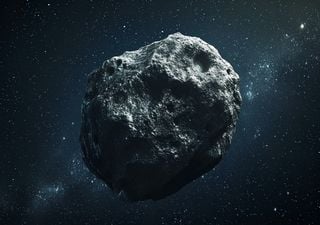
NASA's Lucy spacecraft revealed that a satellite asteroid called Salem is actually two moons mixed together, with profound implications for how planets are formed.
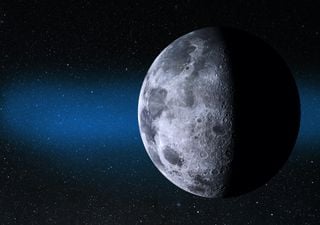
Two researchers at Brown University have united to improve a mapping technique of the Moon's surface, which can bring to light its "darker corners".

Alternative protein foods have been hitting the supermarket shelves, but with options from insects to seaweed, who is buying what and where?
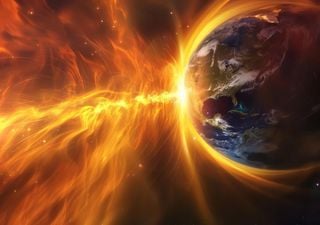
Whether earthquakes could be intensified or triggered by solar activity like flares has been a mystery, but new research sheds some light.

A newly identified missing link could help science find out how to revolutionise electronic power storage and charging capabilities for devices and electronic cars.

The remains of a worm has been analysed in new light by experts at the Natural History Museum of London, to find it was surprisingly similar to the monster known in the fictional novel and movie franchise Dune.
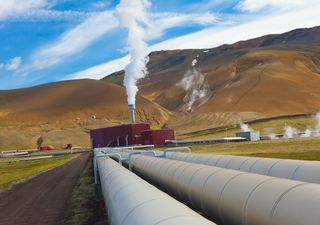
Experts in Iceland are making a special way of drilling into magma to find out secrets about volcanic activity and ways of enhancing geothermal.
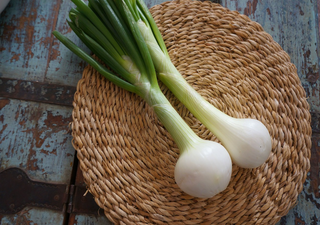
A study shows that the colour of the net can deter insects even with bigger mesh sizes of nets, avoiding the need for pesticides.