
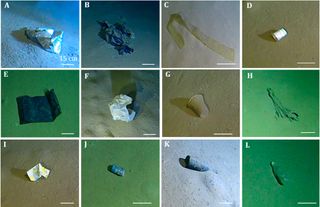
A group of scientists has studied human-generated waste in the deepest part of the Mediterranean and has found objects of all kinds: plastics, glass, metals, etc., in great numbers.

A group of scientists has studied human-generated waste in the deepest part of the Mediterranean and has found objects of all kinds: plastics, glass, metals, etc., in great numbers.

Researchers have shown that pollutants from tobacco smoke and waste can promote the growth and spread of resistant bacteria in the environment.
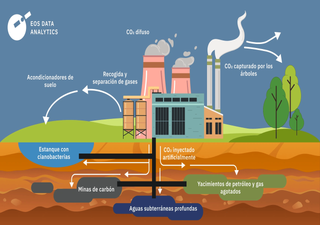
Researchers in Switzerland want to find out whether there are areas in the country where the powerful greenhouse gas CO₂ can be stored permanently underground and to analyse its environmental impacts.
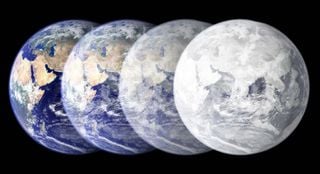
A group of researchers based their prediction on a new interpretation of how tiny changes in Earth's orbit around the Sun cause massive shifts in the planet's climate over periods of thousands of years, and we are now heading into another ice age.
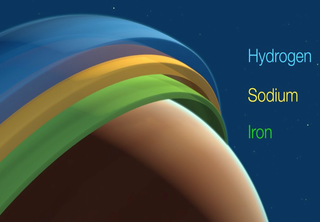
Astronomers have detected powerful winds for the first time, transporting chemical elements like iron and titanium, creating intricate patterns in the atmosphere of a planet outside our solar system.

A group of researchers has challenged the conventional understanding of the direct relationship between global warming and ocean evaporation, breaking the assumptions that have been held until now.
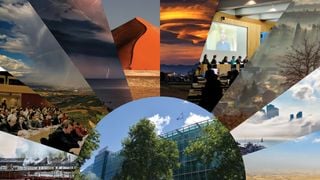
Many studies show the benefits of having a large amount of wooded and green areas in cities to avoid and reduce the effects of the urban heat island, heightened by climate change, but not everything is positive in the greening of cities if things are not done well.

A team of scientists has analyzed the global spread of Pierce’s disease, which has been moving through the Mediterranean for a decade and causing significant damage to vineyards in the affected regions.
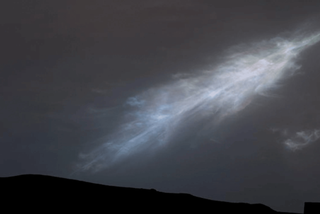
The Curiosity rover has taken images of Martian clouds that are too faint to be seen in daylight, only visible when the clouds are especially high and evening has fallen.
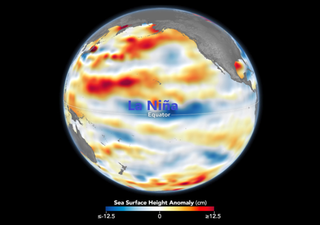
The signature of La Niña is visible in the central and eastern Pacific Ocean as areas with below-average water levels and, at the same time, modifies precipitation and wind conditions in large areas of the basin.
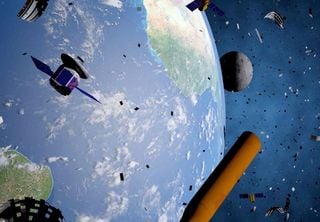
Astronomers are observing daily re-entries of artificial satellites that are unprecedented to date and this has consequences for atmospheric layers as well as the ozone layer. The problem will only get worse.

PFAS are highly polluting, long-lasting anthropogenic products and scientists have problems eliminating them once they are in the environment. But a simple solution could be close at hand.
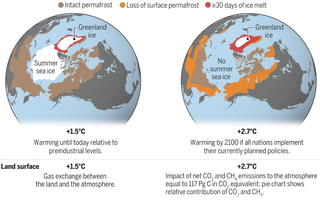
According to some scientists, the surpassing of 1.5 °C of warming much earlier than we imagined is partly due to what is happening above the Arctic Circle.
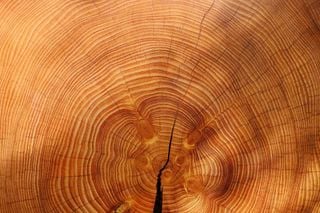
How bad can a solar storm be? Just ask a tree. Unlike human records, which go back hundreds of years, trees can remember solar storms for millennia: these are the Miyake events, far more intense than the Carrington Event of 1859.
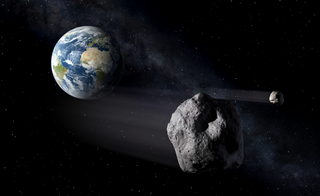
Astronomers have discovered a 60-metre-wide asteroid with a low but not negligible probability of impacting Earth in late 2032. There are still some uncertainties regarding its final trajectory and approach to our planet.
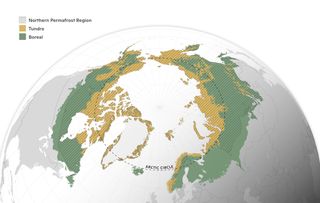
Scientists have made an important discovery as the Arctic ice melts due to anthropogenic warming: parts of the Arctic are going from being a sink for CO₂ to being a source of this powerful greenhouse gas.
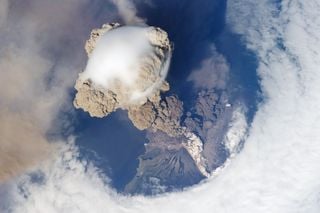
13,000 years ago, Central Europe experienced a period of extreme cold that scientists have detected in climate records and which is now confirmed to have occurred 150 years earlier than previously thought.
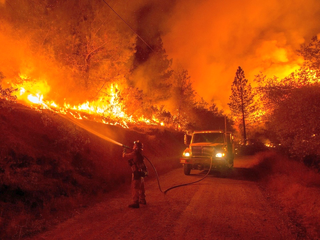
Why do many people live in risky areas over and over again? There are compelling reasons, even for people with high purchasing power, as is the case in areas like Los Angeles, which is currently suffering from deadly and destructive wildfires.
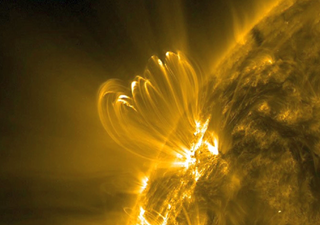
For decades, scientists have struggled to accurately predict solar flares—intense bursts of light from the Sun that can send a surge of charged particles into the solar system. Now, signals that precede these flares have been detected.

Researchers have documented for the first time the systematic occupation of African equatorial rainforests by Homo sapiens more than 40,000 years ago.