
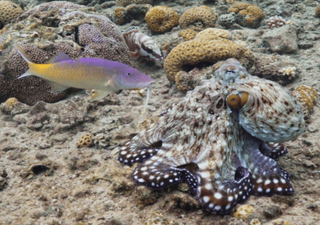
A marauding, steely-eyed octopus on the hunt with a fish gang in tow, scientists discover intriguing social behaviour.

A marauding, steely-eyed octopus on the hunt with a fish gang in tow, scientists discover intriguing social behaviour.

Could following the Mediterranean diet help people fight against COVID-19 infection, and reduce symptoms, and disease severity?
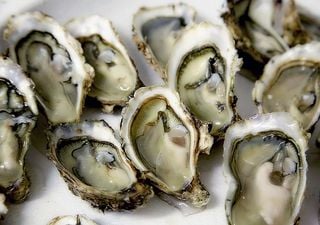
A new textile innovation combining crushed oyster shells with recycled plastic bottles promotes the use of sustainable, marine-inspired clothing.

The key to reducing tick population and mitigating tick-transmitted diseases in humans and animals lies in their nutrient-supplying bacterial guests.

What is the key to foundational infant learning and development? Research suggests it is all down to timing vocalised responses and it doesn't matter who or what interacts with them, even a remote-controlled car that talks!
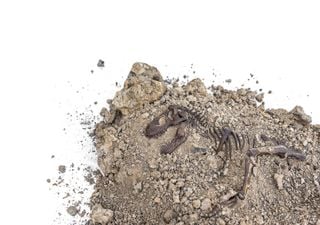
While not as big as T. rex, the middle-weight tyrannosaur unearthed in Southern China is the first deep-snouted variety to occur in this region.
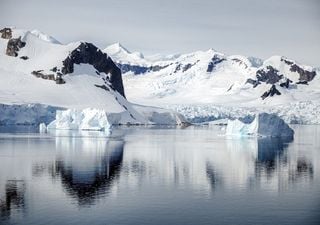
The Antarctic midge may be able to face icy cold winds, sub-zero temperatures, and water deprivation, but how will it hold up against climate change?

How is hybrid working helping improve worker health, well-being, and productivity? And what about the health of our planet? Read on to find out more.

Researchers have found a way of increasing levels of vitamin B6, an important nutrient that promotes neurological and immune system wellness.
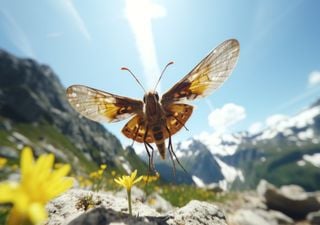
How many insects migrate through the Pyrenees each year? What species comprise these winged travelers and why are they important?
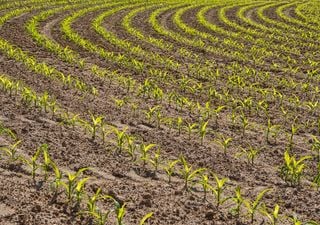
Scientists devise a solution for advancing non-destructive phenotyping of plants, opening up further research into agricultural crop development.
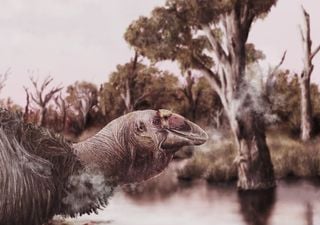
Researchers reclassify a group of extinct, large, flightless birds endemic to Australia based on recently unearthed fossilised skull remains.

Further archaeological evidence delineates the migration route taken by early humans to Australia, and it is likely that is was not through the island of Timor.

Researchers provide evidence for the settlement of hunter-gatherer communities in Cyprus substantially earlier than initially thought.
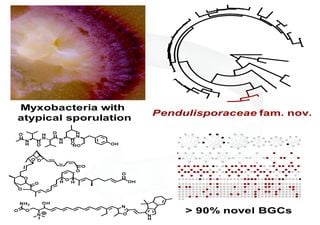
Scientists unveil a new myxobacteria family with strong potential for generating new pharmaceutical products.
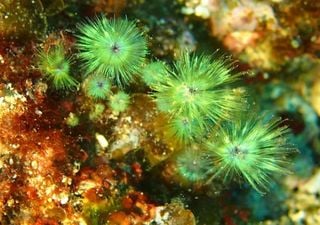
Scientists reveal the structural mechanics behind the peacock feather-coloured light show provided by a species of brown algae.
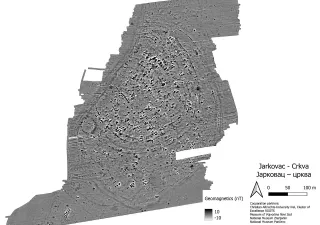
Researchers from the ROOTS Cluster of Excellence discover the largest known Neolithic site in the Banat region of Serbia.

An innovative polymath from the Islamic Golden Age revived optics and engineered a lasting influence on science and art across the ages.

Scientists unite from across the globe, aligning fossil evidence with extensive genetic data to piece together the flowering plant tree of life.

Within the expansive mangrove forests of Cambodia, researchers reveal wondrous species diversity and vouch for habitat conservation.