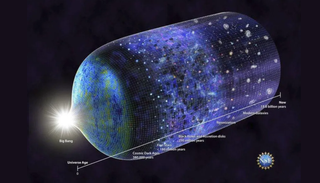
After analyzing the ages of more than 155,000 stars, astronomers have produced an estimate confirming that the universe is 13.8 billion years old.

After analyzing the ages of more than 155,000 stars, astronomers have produced an estimate confirming that the universe is 13.8 billion years old.
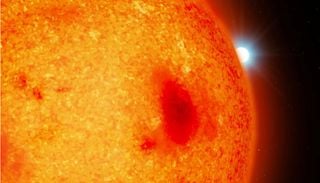
Parts of space we’ve been studying for years are still yielding new finds, including four white dwarfs hidden right within our local neighbourhood.
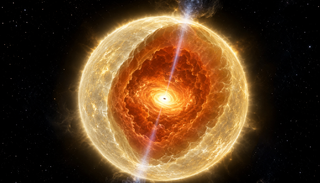
Tiny primordial black holes could be captured by stars and consume them from within. A new theoretical study describes possible observable signatures, including unusual stellar explosions, faint gamma-ray bursts, and clues to the nature of dark matter.
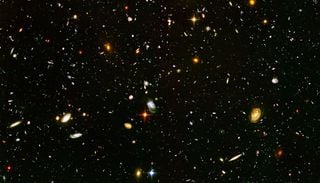
Researchers use the James Webb Space Telescope to unravel the mystery of galaxies that stopped creating stars, revealing clues of violent collisions that occurred billions of years ago.
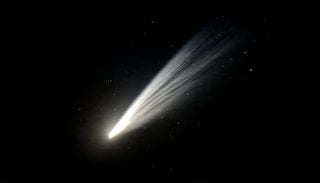
1998 SH2 had no telltale signs of a comet since its was first discovered nearly 30 years ago. New analyses combined with historic international observations tells a different story.
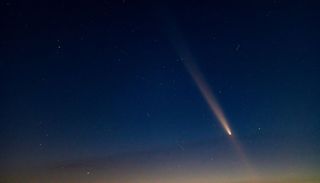
The water and carbon in 3I/ATLAS reveal an extremely cold and ancient origin, possibly in a planetary system that formed during the early stages of the Milky Way's evolution.
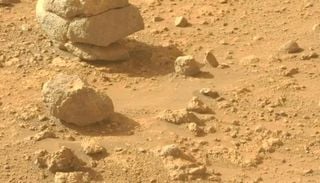
The latest images from Mars reveal unusual rock formations, dust devils, and new details of Jezero Crater, one of the most scientifically significant regions on the Red Planet.

A new study proposes using permanent magnets as a partial shield against space radiation. While they would not replace current technologies, they could become a key tool for protecting astronauts on future deep-space missions.
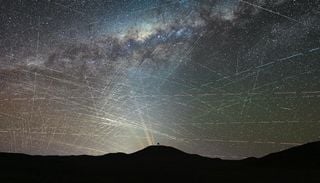
An ESO study warns that satellite megaconstellations could compromise ground-based astronomy. Researchers propose a limit of 100,000 faint satellites, compared with the nearly 2 million expected to be launched over the coming years.
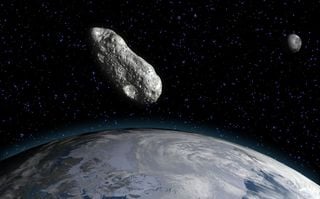
Trojan asteroids belong to the main asteroid belt, between Mars and Jupiter. Because of Jupiter's gravity, they travel with the planet, both ahead of and behind it, acting like 'shepherds,' explained Meteored specialist Zeus Valtierra.
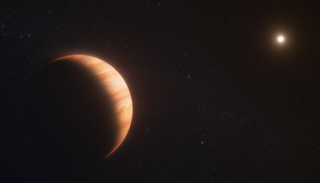
The giant planet WD 1856 b, which survived a dead star, offers clues about atmospheres, orbital migration, and the distant future of our Solar System and its outer planets.
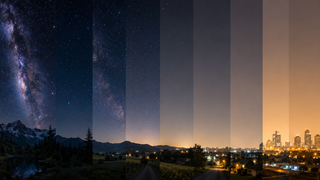
Not all skies allow you to see the Milky Way. The Bortle scale classifies the darkness of the night sky from 1 to 9 and helps determine whether your city has suitable conditions for observing stars, galaxies, and astronomical phenomena.