
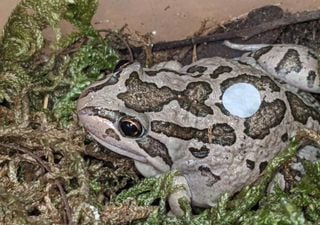
A new study creates a novel, non-invasive way to monitor hormones in frog populations.

A new study creates a novel, non-invasive way to monitor hormones in frog populations.
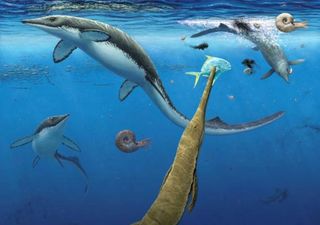
A new study describes one of the most species-rich marine vertebrate communities from the beginning of the age of dinosaurs on the Arctic island of Spitsbergen.
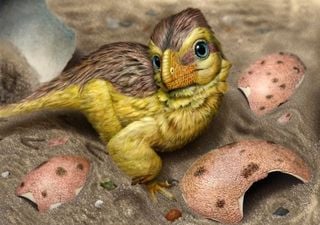
An international collaboration leads to a new, accurate way to date fossil sites.
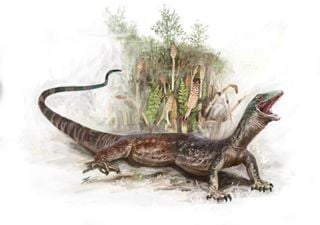
A new fossil from the Isle of Skye displays a curious mix of features from both snakes and lizards and is one of the oldest, nearly complete fossil lizards to date.
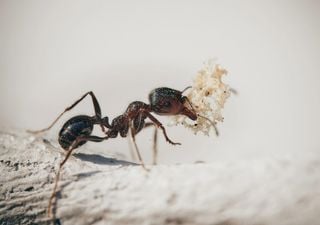
A new study investigates the way in which ants handle disease within their colonies.
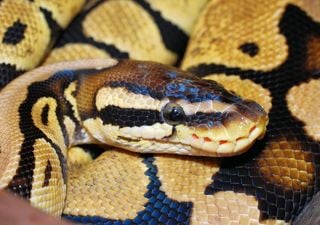
Why do reptiles 'wee' crystals and what are they made of? Finding out could oddly help with treating some human health conditions.
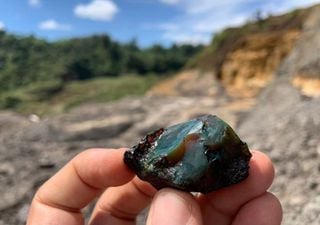
A discovery of fossilised tree resin, known as amber, has been made in Ecuador with insects trapped inside, allowing researchers to see a glimpse of the ecosystems of the Cretaceous period of South America.
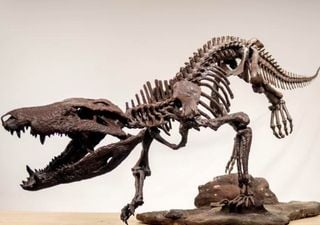
New fossil reveals a giant, crocodile-like predator that may have snacked on dinosaurs during the end Cretaceous period in Argentina.
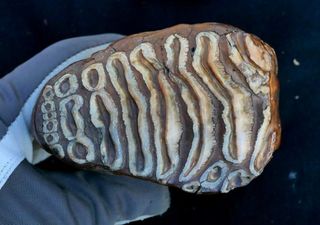
New research published in the journal Cell describes some of the oldest microbial DNA ever found in mammoth remains.
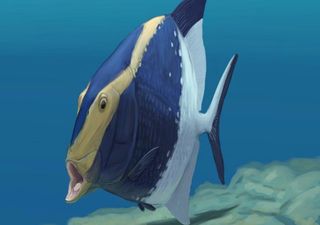
A fossil ray-finned fish described by an international team shows a ‘tongue bite apparatus', 150 million years earlier than previously thought.
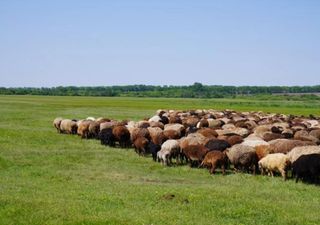
In a new study published in the journal Cell, scientists discovered that a mysterious plague may have been caused by livestock.
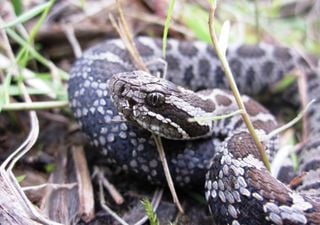
A study carried out over 15 years reveals that rattlesnake populations in Michigan are under threat due to human causes.
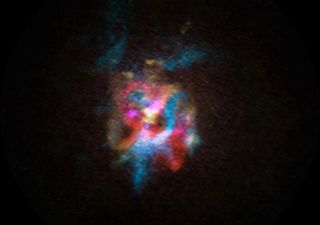
A bubble of dust and gas surrounding a red supergiant star surprises scientists by being the largest ever to be observed within the Milky Way.
A new study reveals that some of the first creatures on land were ancestral insects, with Mollisonia symmetrica aiding in a deeper understanding of the brain and nervous systems of arachnids.
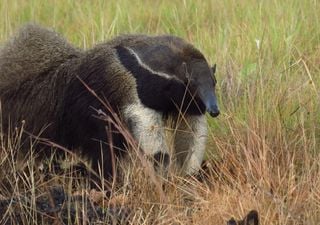
New research reveals that mammals have independently evolved to eat ants and termites exclusively 12 times during the last 66 million years after the K-Pg mass extinction.
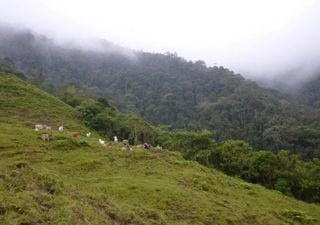
New landmark bird survey reveals that clearing rainforests for cattle farming is far more harmful than previously thought.
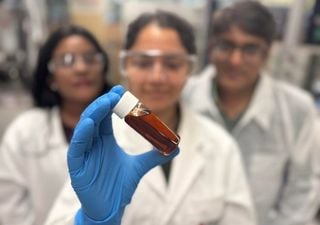
Technology created by researchers at RMIT University could provide sustainable and cheap bio-oil production to replace petroleum-based products for the electronics, automotive and construction industries.
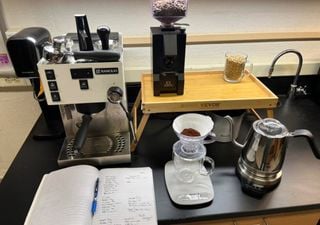
There is a science to making a good cup of coffee. A new study published in the journal Physics of Fluids, investigates whether or not you can make an amazing cup of coffee using fewer coffee beans.
Findings published in the Journal of Energy Storage describe how depleted oil and gas wells could be a potential solution for compressed- air energy storage.
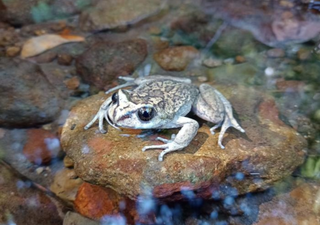
A team of researchers have rediscovered a frog species which has not been seen for 130 years.