
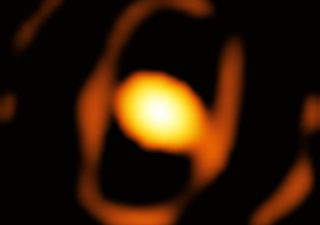
New close-up photos of star WOH G64 have been released thanks to observations taken by the European Southern Observatory’s Very Large Telescope Interferometer (ESO’s VLTI).

New close-up photos of star WOH G64 have been released thanks to observations taken by the European Southern Observatory’s Very Large Telescope Interferometer (ESO’s VLTI).
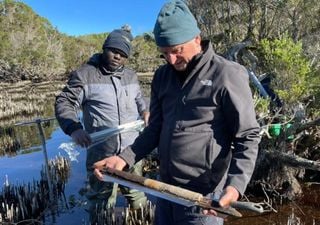
Some of the first humans to arrive in Tasmania around 41,000 years ago would have used fires to manage and shape the land – 2,000 years earlier than previously thought.

New research led by Virginia Tech hunts for proof of dark matter within crystals.

A new study describes how ancient volcanism would have affected global temperatures and what this meant for ancient animals such as dinosaurs and mammals.
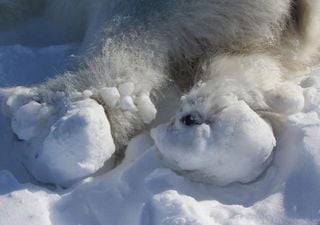
A new study led by the University of Washington investigates how polar bears are accumulating ice balls on their paws in the Arctic.
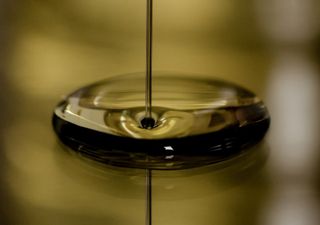
This is why the news of finding lead contamination in ice tells an alarming history of lead pollution. Find out why this pollution is problematic and how it affects the environment across the world.
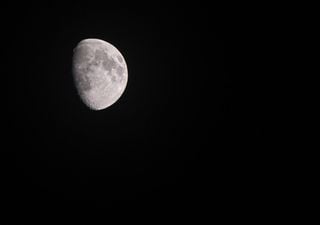
New study investigates how human activities and changes in light during the night affect animal communities within tropical settings.
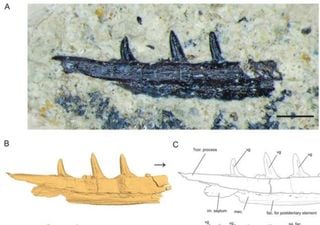
A new species of venomous reptile found in the USA helps shed light on the group's feeding strategies.
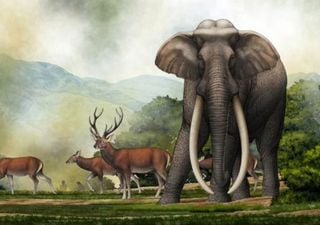
A skull and stone tool excavated in 2000 from India has helped shed light on ancient elephant evolution.
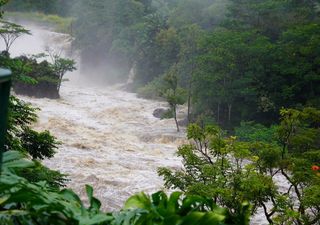
A new study published in the journal, Earth’s Future, suggests that global biases are affecting how hydro-hazards are researched, especially in low-income countries.
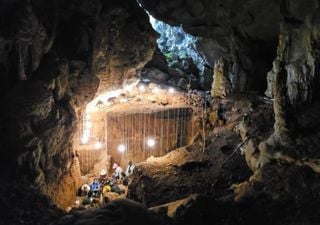
A new study led by an international team of researchers uncovers early Homo sapiens activity in Laos using Microstratigraphy.
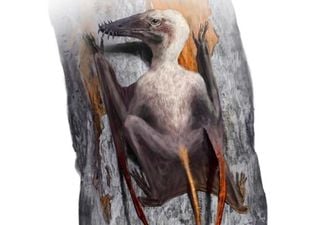
New research conducted by palaeontologists from the Centre for Palaeobiology and Biosphere Evolution at the University of Leicester, discusses how ancient pterosaurs were able to grow to such massive sizes.

A new study published in the journal Monthly Notices of the Royal Astronomical Society, discusses a strange galaxy where its gas is outshining its stars.
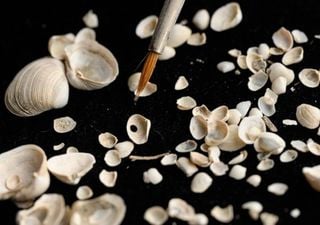
A new study by researchers from Slovakia, New Zealand, Austria, Italy and the United States has published a new study documenting the decline of predator and prey interactions in the Adriatic Sea.
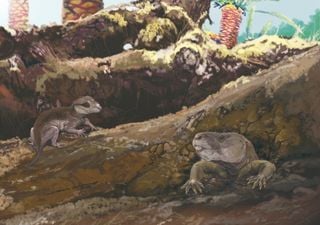
A new study featured in the journal Nature, sheds light on the evolution of mammalian jaw and middle ear bone traits.
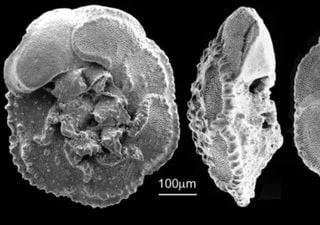
A new paper published in the journal Science, is the most robust study of the Earth’s temperature over the last 485 million years.
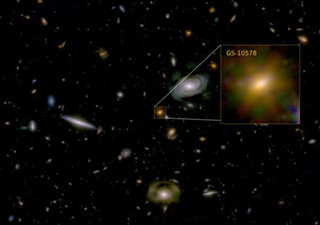
In a new study, astronomers have used the NASA/ESA James Webb Space Telescope to confirm that supermassive black holes can starve their host galaxies of the fuel they use to create new stars.
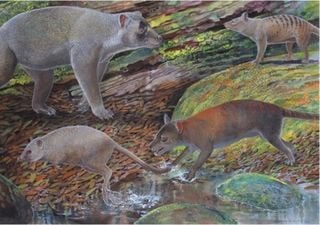
The discovery of three new species of Tasmanian tiger ancestors sheds light on the ecosystems of the Riversleigh World Heritage Site and that carnivorous reptiles were not the only predators in Australia during the Oligocene.
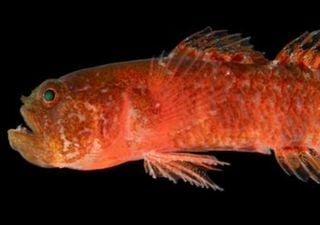
A new species of fish has been discovered in the Red Sea during a diving expedition to research coral reef fish diversity. With its bright red colouration, large canines and menacing expression, it certainly suits its common name, the ‘grumpy dwarfgoby’.
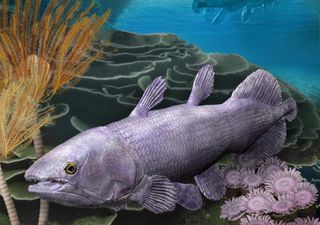
A new species of coelacanth fish from western Australia challenges the notion that they are the oldest living fossils.