

Scientists will take to the skies to learn more about cold air outbreaks, a peculiarity that can affect the weather worldwide.

Scientists will take to the skies to learn more about cold air outbreaks, a peculiarity that can affect the weather worldwide.

A recently-opened lift is allowing last-chance tourists to visit a vanishing glacier, but is tourism making the problem worse?
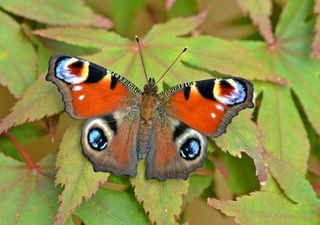
Spending time in nature counting butterflies can reduce anxiety while a connectedness with nature can encourage conservation efforts.
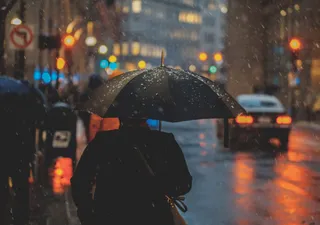
The effects of human-induced greenhouse gases has been masked by the drying effects of aerosols a new study finds.

A compound essential for all life likely played a role in life’s origin, and researchers have synthesised the chemical in the lab.

Scientists have developed a water soluble, non-toxic spray that fluoresces under blue light, and could make uncovering fingerprints quicker and safer.
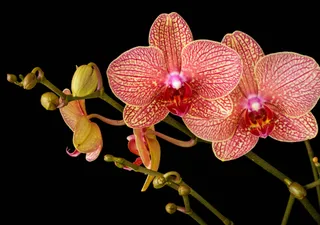
Orchids first appeared 85 million years ago, and thrived alongside dinosaurs, but today, they are one of the most threatened plant species.
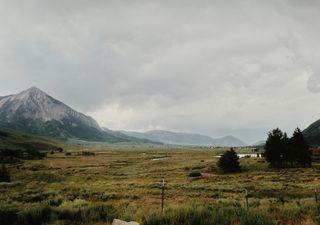
Wetland methane emissions in the higher latitudes of the Arctic and Boreal ecosystems have increased by almost 10% in the last 20 years.
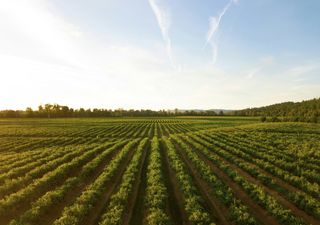
Potassium deficiency in agricultural soils is an unrecognised but potentially significant threat to global food security new research finds.

A 280-million-year-old fossil thought to show signs of skin preservation is a forgery in part, prompting researchers to urge caution about how the specimen is used in the future.
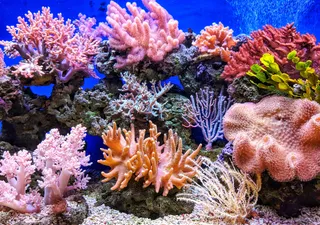
Corals’ slow and regular growth make them an ideal indicator to gauge pollution in the Mediterranean seas.
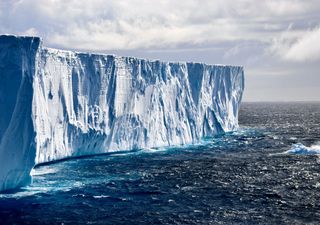
Ice cores of compacted snow offer clues to ice shrinkage in the past, and what we could face in the future.
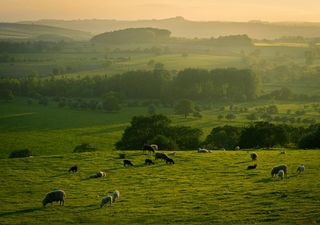
Agroforestry – using farmland for a mix of agriculture and trees – could boost sustainability and the output of farms.

Could switching to greener cleaning products be doing more harm to the environment and our health? Researchers call for better regulation of the market.
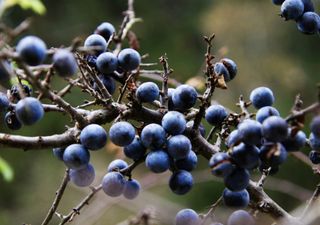
Ever wondered why a blueberry is blue even though their skin contains a dark red pigment? Their waxy exterior could be the key to artificially engineered materials.
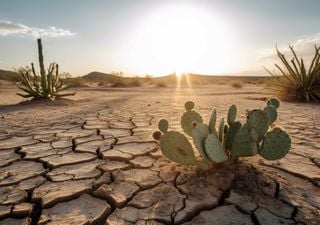
A new study finds the spacing of small islands of plants in a sea of bare soil could be an environmental warning sign.

In the first of two fly-bys this year, asteroid MD 2011 made its closest pass to Earth but fear not, it’s not close enough the present any danger.
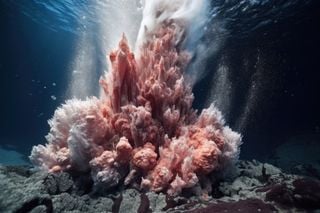
Hydrothermal vents likely supplied the essential elements and minerals needed for life on early Earth.
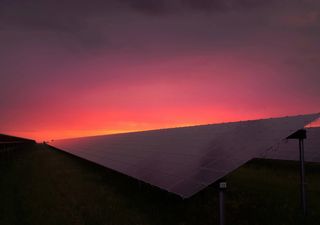
Reflectors orbiting the Earth at just the right angle could boost the electricity output of future solar farms.
Astronomers have discovered 85 potential exoplanets – 60 of them brand new finds – which may be cool enough to sustain life.