

Melting of the West Antarctic Ice Sheet is pushing up global sea levels; the mechanism behind it was unclear until new research uncovered a feedback loop is responsible.

Melting of the West Antarctic Ice Sheet is pushing up global sea levels; the mechanism behind it was unclear until new research uncovered a feedback loop is responsible.

The discovery of a dormant black hole 33 times the mass of our Sun offers new clues about how such massive black holes form.

Fruit eating birds are vital to ensuring a healthy forest but division of the forest is hindering regeneration efforts.

A technique that increases the amount of cloud cover could be an effective "painkiller" for global warming, helping to increase climate cooling.
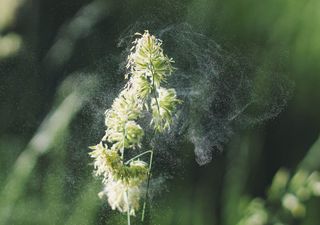
A new study has shown warmer temperatures are linked with earlier an hay fever season, and these temperatures could also bring with them new pollen in the UK.
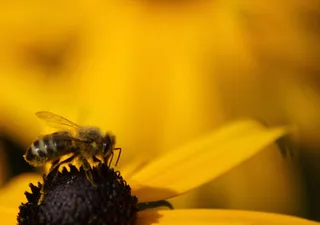
When wasps and bees are pitted against each other, the media is biased against wasps say scientists who believe they can do more in shaping public awareness of the distinctive insects.

Magnetars are neutron stars with powerful magnetic fields and their behaviour may be more complex than astronomers previously thought.

Glory have been seen on a planet outside the solar system for the first time, but what are they and why do they occur?
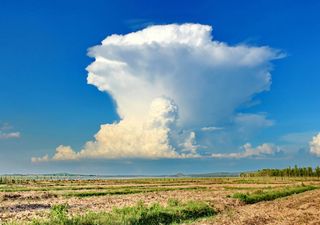
Researchers in Exeter and Paris have derived simple equations to explain the impact of clouds on future climate change.
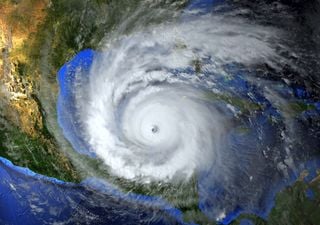
Semantic segmenting, a technology currently used in autonomous cars and medical imaging, could improve the forecasting of tropical storms.

It was a mixed year for the UK’s butterflies, with numbers of some species climbing while others experienced a worrying decline.

A novel polymer that performs like plastic but recycles like paper offers an environmentally friendly alternative to non-recyclable plastic crisp packets.

Warmer and wetter winters are affecting when animals emerge from hibernation and negatively affecting crops; what can we expect from these shifting seasons?

MIT researchers develop new way to describe the number of days per year that outdoor temperatures are just right for normal outdoor activities.

Mini-meteorologists read hypothetical but plausible future weather forecasts to show the impact climate change could have on the weather by the time they’re adults.
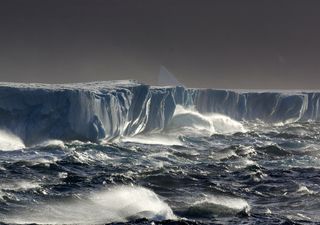
An experimental technique to thicken Arctic ice with thousands of litres of seawater is underway, but will it work?

New study reveals land is more likely to be a carbon source than a carbon sink, but offers new ways to determine the difference between the two.
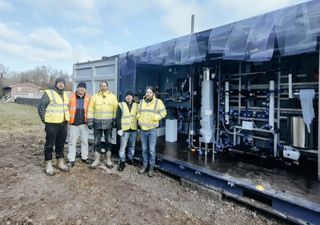
A novel wastewater treatment that employs pure oxygen could reduce the amount of greenhouse gases released in the treatment process.
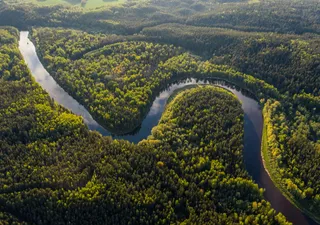
New research shows human-induced climate change is affecting the seasonal flow of rivers across the globe and urges the acceleration of climate adaptions efforts.

A long-term collaboration between the Met Office and National Oceanography Centre continues to improve data collection in the North Sea.