

An ancient genus of tree with a unique type of wood could help solve a modern, man-made problem.

An ancient genus of tree with a unique type of wood could help solve a modern, man-made problem.
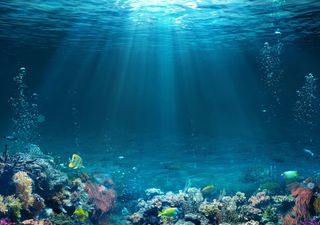
Deep-sea currents on the seafloor change intensity with the seasons and can even change direction within hours, with important implications for the pathways of nutrients and pollutants.
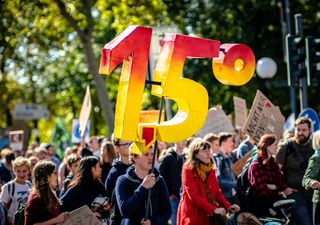
The worst effects of climate change could be minimised if the 1.5°C target set by the Paris Agreement is quickly reversed according to a new study.

It’s not just athletes who are in Paris for the Olympic Games, scores of scientists will also descend on the city for their own friendly forecasting games.
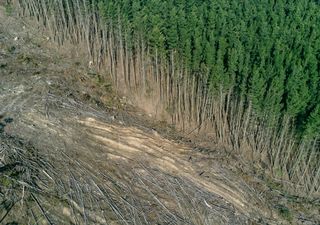
Forests have an amazing ability to capture and store atmospheric carbon dioxide, but they need more protection from threats such as wildfires and deforestation.
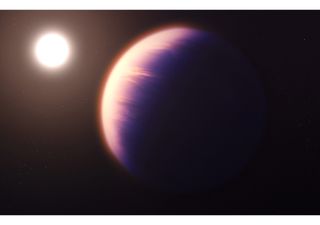
The James Webb Space Telescope has revealed a morning and evening side on WASP-39b, an exoplanet 700 light-years away from Earth.

Humans are often blamed for a decline in biodiversity, but a new study has shown that sometimes, humans can actually have a positive impact.
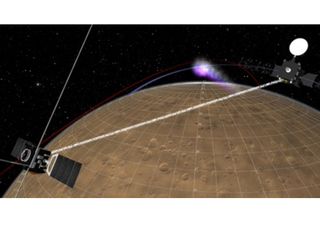
Researchers have repurposed an antenna on a Mars orbiter to help them better understand the Martian atmosphere at different times of the day, and year.

Study exploring the best way to keep cities cool finds white ‘cool roofs’ more effective than green, vegetation-packed roof tops.

High levels of fibreglass have been found in the soft tissues of oysters and mussels, which raises concerns about the health of the oceans.

Research reveals the over half of all meltwater on Antarctica’s ice shelves is slush, but isn’t accounted for in climate models.

Underwater mountains play an important role in storing carbon and heat, and understanding ocean circulation can impact future climate change forecasts.

A move towards healthier diets could see insect proteins become part of a more flexitarian diet by 2054.

A new study confirms that synthetic ‘forever chemicals’ can permeate human skin and reach the body’s bloodstream.

A new PhD research project will explore the link between climate change and microplastics from ageing plastics.

Athletes could be affected by extreme heat caused by a warming climate warn scientists ahead of this year's Paris Olympic Games.
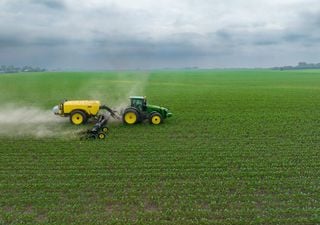
Leading cause of anthropogenic nitrous oxide emissions is agriculture, namely fertiliser. Emissions must decrease, say scientists.

Decade-long study reveals untapped genetic potential of modern wheat varieties could help sustainable feed the global population.

New report finds human induced global warming is at an all-time high while the remaining carbon budget is lower than predicted.

A cutting-edge research project will sample environmental DNA in the air to help researchers learn more about the hidden biodiversity around us.