

New research into what causes lightning strikes could lead to a better understanding and real-time forecasting of thunderstorms in the future.

New research into what causes lightning strikes could lead to a better understanding and real-time forecasting of thunderstorms in the future.
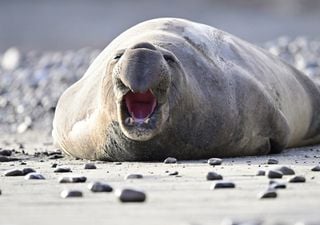
Northern Elephant seals have made a remarkable comeback after narrowly avoiding extinction by hunting, but new research uncovers lasting genetic effects in the present population.
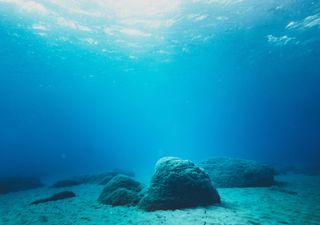
Phytoplankton are thriving at the surface and subsurface of the Sargasso Sea – an unexpected consequence of ocean warming.

As we spend more time indoors, air quality has never been more important, particularly for vulnerable groups like children; monitoring indoor air pollution is vital to safeguard their health.

The National Oceanography Centre are trialling a new type of fuel on two of their research ships in a bid to reduce their carbon footprint.
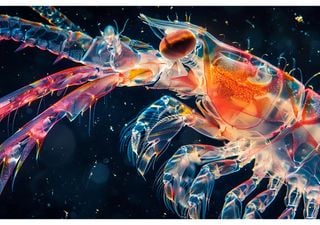
Antarctic krill poo shows the crustacean plays an important role in carbon storage, harbouring as much as mangroves and seagrass, and should be protected.
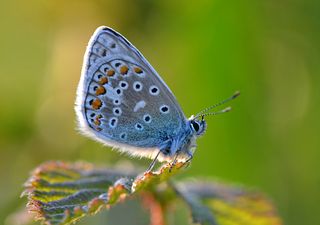
Wildlife charity Butterfly Conservation has declared a national ‘Butterfly Emergency’, after the summer’s Big Butterfly Count showed a hugely concerning decline in numbers.
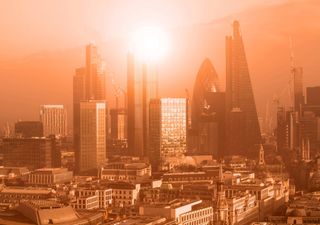
Temperatures in the 2070 could be up to 10°C hotter than in the 1990s, both during the day and at night, new research reveals. Will there be heat related deaths? Find out about the alarming implications.
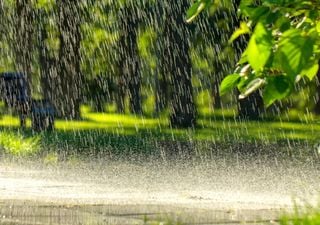
According to new research, the origin of rain is important for predicting the risk of global water security; this risk is greater than previously thought.
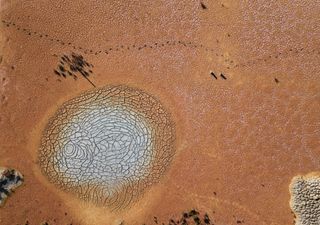
New research has revealed that the world’s drylands are expanding, and it's not for the reasons you might think.
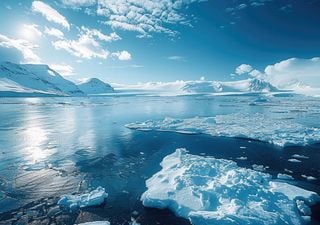
A number of records, including global temperatures, were broken in 2023 according to analysis of Earth’s key climate indicators.

Using a mindfulness smartphone app for as little as 10 minutes a day can improve your mental health and promote healthy behaviour, new research finds.
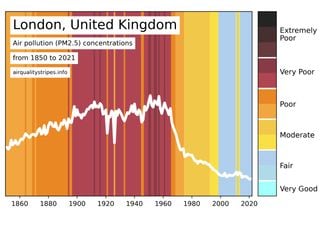
Inspired by the famous Climate Warming Stripes, researchers create Air Quality Strips to demonstrate how air quality has changed since the beginning of the Industrial Revolution.
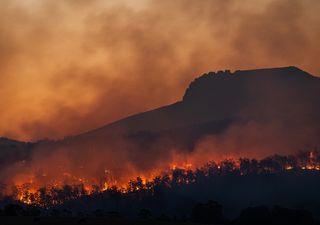
Annual report explores the reasons behind wildfires and whether they could have been predicted, and discovered wildfires were three times more likely due to climate change.
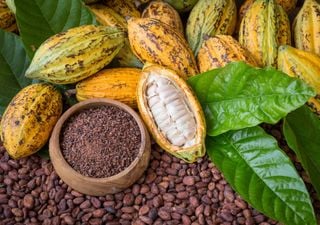
A breakthrough in chocolate production that sees the entire cocoa fruit used could make the process more sustainable and profitable for farmers.

A rock formation in Scotland and Ireland dating back millions of years shows when complex life might have formed after a global freeze.
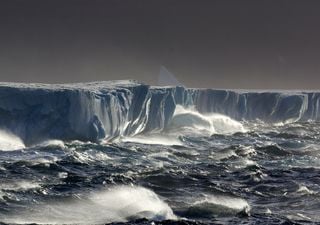
Submersible meets an unhappy end after revealing sand dune-like base to ice shelf; the finding raises questions about ice sheet melting and future sea level rise.
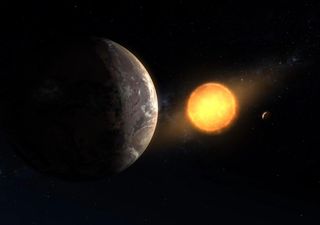
Astronomers have mined archival data to discover that stellar flares are a risk to planets that could host life. Find out why here!
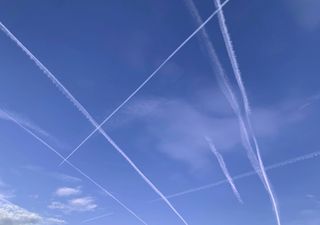
Modern commercial aircraft are delivering a 'double whammy' warming of the climate through their long-lived contrails, finds new research.
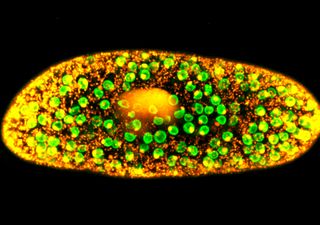
The relationship between two tiny organisms that work together for mutual benefit is being strained by hotter conditions brought about by climate change, new research has shown.