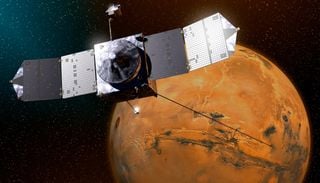
A discovery made by NASA's MAVEN mission shows that Mars possesses a defense mechanism against the solar wind that was previously thought to exist only on planets with a magnetosphere.

A discovery made by NASA's MAVEN mission shows that Mars possesses a defense mechanism against the solar wind that was previously thought to exist only on planets with a magnetosphere.
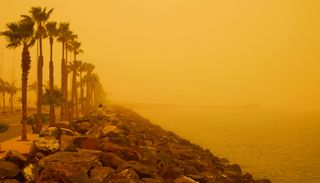
An instrument installed on the International Space Station by NASA has made it possible to determine the mineral composition of deserts with unprecedented precision and significantly improve estimates of the impact of atmospheric dust on the global climate.
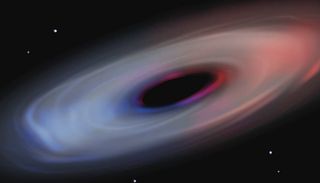
An unprecedented measurement made with the James Webb Space Telescope has revealed that a supermassive black hole completely dominated its galaxy more than 13 billion years ago, calling into question classical models of cosmic evolution.
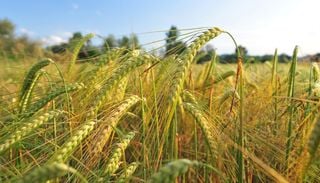
A study has revealed that healthy plants can detect the growth rate of neighboring plants through chemical signals in the air and adjust their growth and defense mechanisms accordingly.

An international team of scientists has proposed using beneficial fungi to transform the toxic soils of Mars and the Moon into land capable of producing food for future space settlements.
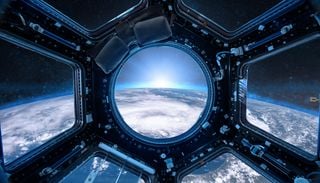
Astronauts aboard the ISS witness 16 sunrises every day. To remain physically and mentally healthy, they depend on strict schedules, artificial lighting and rituals that maintain a sense of time.

A team of Chinese scientists succeeded in producing gradusol, a natural compound found in fish and marine organisms, using genetically modified bacteria. The breakthrough opens the door to new, more sustainable sunscreens with antioxidant properties.
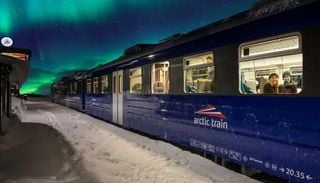
From the Nevada desert to the Norwegian Arctic, different nighttime rail routes combine astronomy, remote landscapes and unique experiences to observe the sky in ways rarely possible.
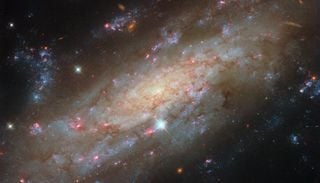
The space telescope revealed a new image of NGC 3137, a galaxy similar to the Milky Way that allows scientists to study the birth and evolution of stars in extraordinary detail.
The United States has begun declassifying official files on UFOs, including previously unseen videos, photos, and military reports, reigniting the global debate about unidentified aerial phenomena and the possible existence of extraterrestrial life.
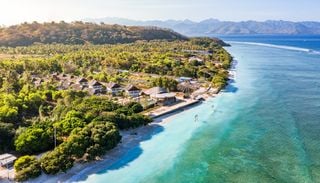
A new travel trend is redefining vacations: prioritizing the sea over packed itineraries. A global study reveals the destinations with the best conditions for swimming year-round.
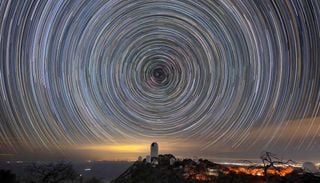
An ambitious international project created the largest three-dimensional map of the universe, revealing hidden patterns and providing new clues about mysterious dark energy.
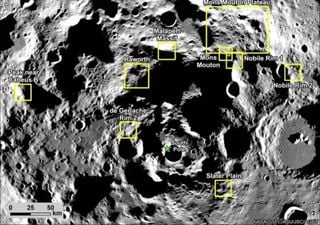
With the Artemis II mission currently on its journey towards the Moon, NASA and its scientific partners are advancing the selection of the site where humans will once again set foot on our natural satellite for the first time since 1972. A new study reduces the options and highlights the operational challenges in the lunar south pole region.
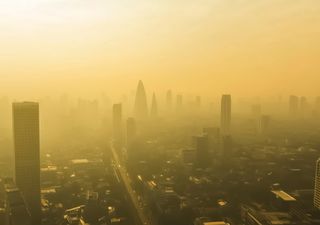
Research conducted in the United States found that very hot days combined with high levels of air pollution can significantly increase the short term risk of suicide.
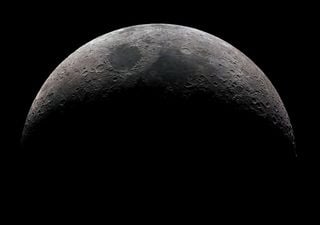
A team of scientists created the first global map of small ridges in the lunar seas. The finding confirms that the Moon continues to contract and raises new questions about the seismic activity future missions may face.
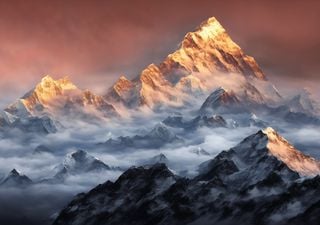
In the most extreme heights of the Himalayas and the Karakoram rise the only mountains in the world that exceed eight thousand meters above sea level. These “eight-thousanders” represent some of the greatest geographical, meteorological, and human challenges on the planet.
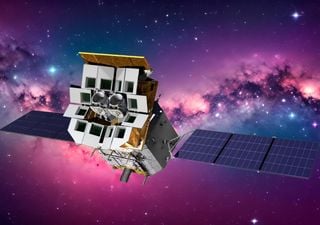
The space telescope led by China detected an unprecedented X-ray explosion. Scientists believe it could be the first direct evidence of an intermediate-mass black hole devouring a white dwarf star.
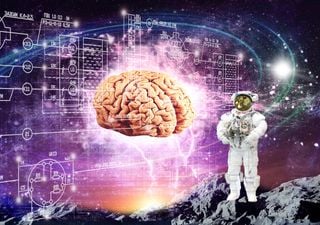
A study involving 26 astronauts reveals that the brain shifts upward and backward after spending time in microgravity. The changes depend on the duration of the mission and, in most cases, reverse after returning to Earth.
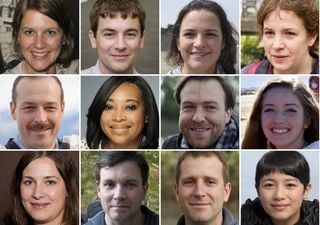
A British study reveals that even experts struggle to identify faces created by artificial intelligence, but training lasting only five minutes significantly improves results and opens new strategies for fighting digital fraud.
A new study warns about the biological and ethical risks of human reproduction in space. Radiation, microgravity, and the lack of international regulations make it necessary to open a scientific debate before technology advances faster than the rules.