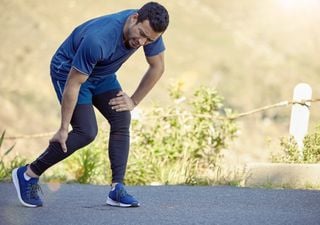
Asphalt and trail runners face distinct injury risks. A specialist analyses how training planning, muscle strengthening, and managing workload can prevent injuries on both terrains.

Asphalt and trail runners face distinct injury risks. A specialist analyses how training planning, muscle strengthening, and managing workload can prevent injuries on both terrains.
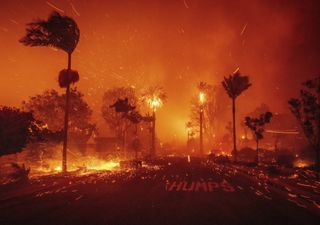
More than 37,000 acres (15,000 hectares) have been devastated by five wildfires in Los Angeles, leaving 11 dead and thousands of homes destroyed. With winds picking up again, evacuations are growing, along with frustration among citizens and questions about the preparedness of authorities.
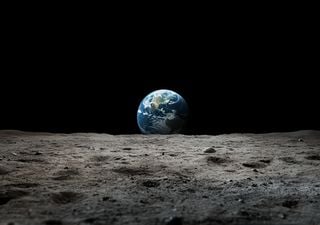
NASA is launching a new generation of retroreflectors that will improve measurements between Earth and the Moon, supporting the Artemis missions and future explorations. These precision tools will expand lunar knowledge, testing fundamental theories such as general relativity.
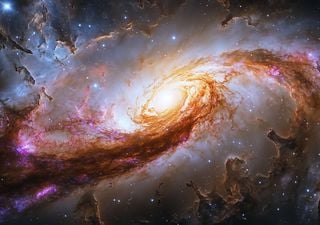
Using the James Webb Space Telescope, an international team has identified Zhúlóng, a massive spiral galaxy of great design that formed just one billion years after the Big Bang.
Artificial intelligence is redefining science, education and health with surprising advances. Challenges such as regulation and human-machine balance are key to its responsible development in the new year.
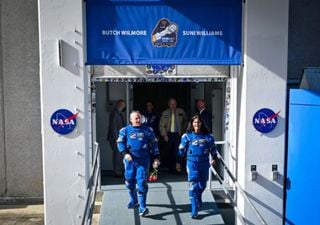
What was originally scheduled as a short 8-day mission has turned into an extended stay that could extend to at least 10 months. NASA has explained what happened.
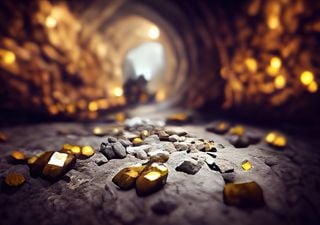
China discovers 1,000 metric ton gold deposit in Hunan, a discovery that could redefine global mining as science advances in understanding the formation and applications of the precious metal.
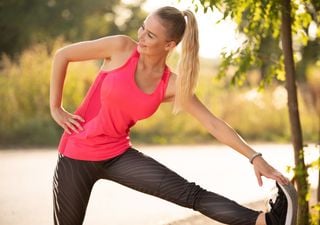
Stretching before and after exercise can improve flexibility and performance, but it doesn't always prevent injuries or reduce muscle soreness. The key lies in choosing the right type of stretching based on your goals.
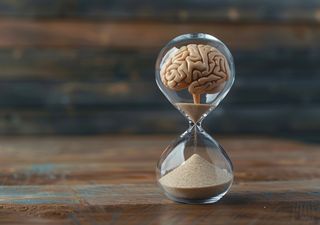
Different visual stimuli can distort the perception of time: seeing more salient and memorable scenes can create the impression that time moves more slowly, while disordered and chaotic images compress the perception of time.
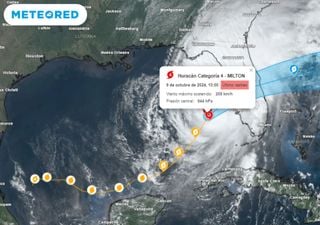
Milton had sustained winds of 215 km/h, just hours away from making landfall on the west coast of the peninsula as a major hurricane. We bring you the latest updates and the potential risks faced by the population.
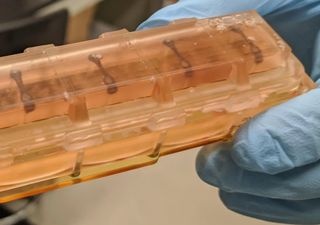
Scientists sent bioengineering samples of heart tissue to the International Space Station to study how to keep astronauts safe during future long-term space travel.
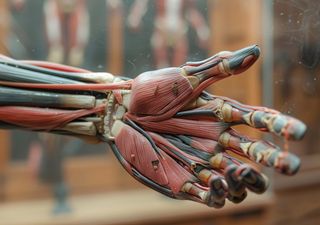
The median artery is three times more common today than just over 100 years ago, according to a study. It is formed quite early in the development of all humans, and around eight weeks it usually goes back.
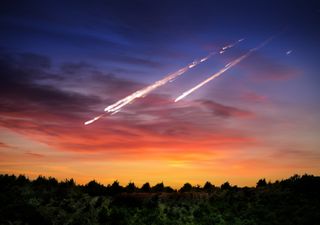
What initially appeared to be space debris turned out to be a rocky asteroid that was sighted and reported from different points in the Eastern Cape province. People are invited to contribute with reports and to contribute to citizen science.
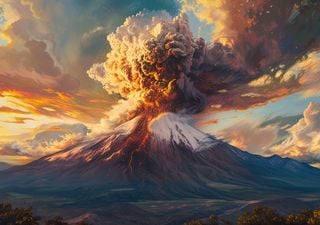
The finding suggests a connection between PKP precursor signals and volcanism observed in regions such as Yellowstone, the Hawaiian Islands, Samoa, Iceland and the Galapagos Islands.
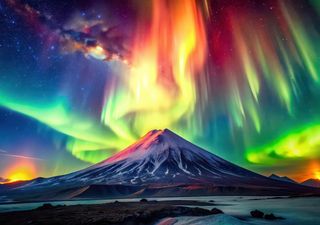
Scientists say it is now possible to predict the exact speed at which a coronal mass ejection (CME) will travel and when it will hit our planet, even before it has completely left the Sun.
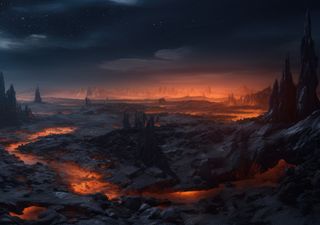
The exoplanet HD 189733 b has very similar characteristics to Jupiter. New research reveals that it contains hydrogen sulfide, something rare outside the solar system. How important is this?
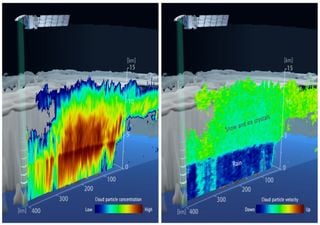
Less than a month after being launched, ESA's EarthCARE satellite has sent the first image from one of its four sophisticated instruments: a cloud profiling radar. Scientists hope it will help better predict future climate trends.
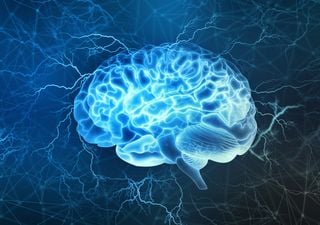
Swiss startup FinalSpark uses an approach known as wetware computing, using lab-grown human brain cells. This type of bioprocessor consumes a million times less energy than traditional digital processors.
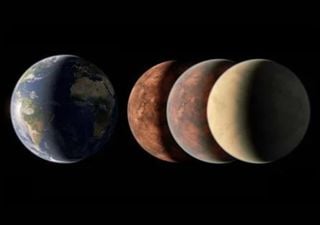
The planet Gliese 12 b is located 40 light years away from our planet, and within a habitable zone with respect to its star Gliese 12. They define it as "the closest world, in transit, temperate and the size of the Earth up to the date".
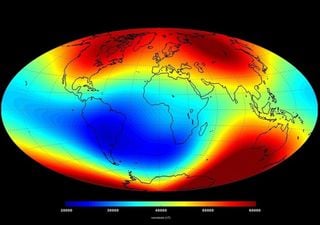
The phenomenon affects the region over Brazil and the South Atlantic, with a significantly weaker Earth's magnetic field compared to other parts of the planet. What implications does it have?