
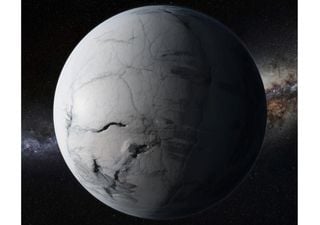
It was thought the Snowball Earth was completely frozen and the climate shut down, but analysis of well-preserved rock suggests that might not have been the case.

It was thought the Snowball Earth was completely frozen and the climate shut down, but analysis of well-preserved rock suggests that might not have been the case.
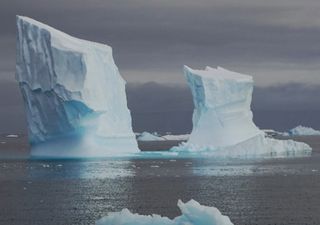
A new AI tool developed by the British Antarctic Survey scientists tracks icebergs from birth to break up for the first time.
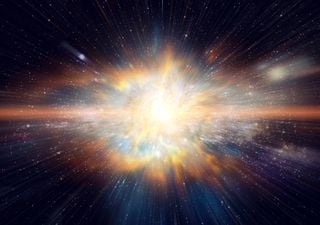
The Dark Energy Survey has released its most detailed map yet showing how the Universe has expanded over the past six billion years, offering new insights into cosmic growth and evolution.
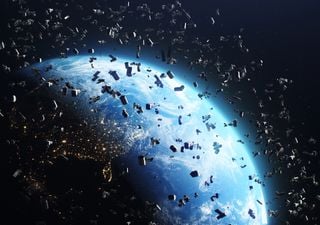
Earth’s global network of seismometers can detect subtle ground vibrations created when space junk re-enters the atmosphere, offering scientists a surprising new way to track falling debris from orbit.
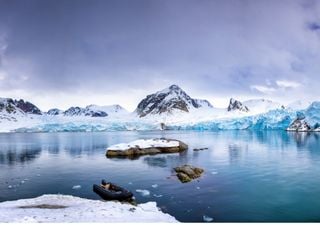
Current environmental policy frameworks no longer reflect the reality of today’s Arctic soundscapes says a new study which offers improved ways to measure noise.
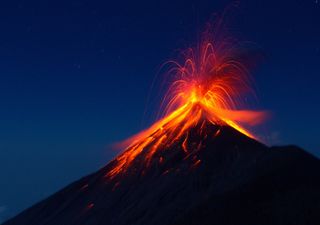
£3.7m research project will improve our knowledge of why volcanoes become highly explosive, thus helping to protect vulnerable communities.

Astronomers from the University of Warwick and Durham University have detected an unusual shockwave surrounding a dead star, prompting new questions about what powerful event or process could have triggered this dramatic structure in deep space.
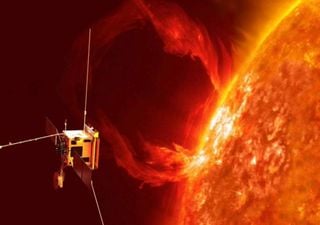
At one time, scientists couldn’t see the far side of the sun, but a solar orbiter broadened perspectives and observed one of the strongest magnetic storms in 20 years.
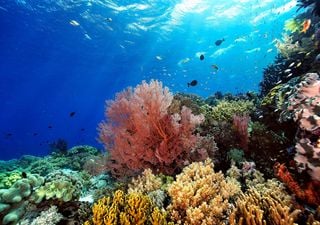
New research provides fresh insight into the functioning of coral reefs and offers hope for protecting these diverse ocean habitats.
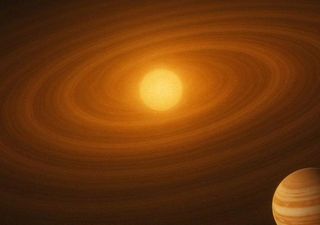
What is a hot Jupiter, and how do they form? New research has the answer.
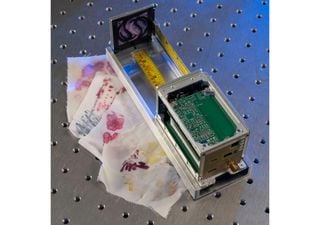
A cosmic trip could help bacteria protect future space missions from radiation but also find uses here on Earth too.

New research suggests exposure to PM2.5 can reduce the health benefits of exercise; we find out how.

Human behaviour is removing a natural buffer and reducing the stability of ecosystems and diversity of birds; what long-term effect will this have?

What role could AI play in forecasting secondary quakes following an earthquake?

Could data from Cassini, a long-deceased NASA probe, have found the perfect host for life beyond our planet?
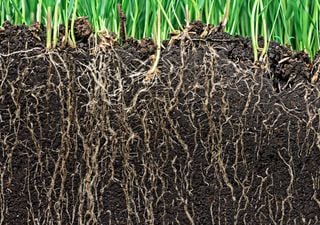
What can soil remember, and how can this help plants adapt to drought conditions? New research explains.
Nitrogen is the most abundant gas in the atmosphere, but too much can be a bad thing; new guidance offers advice on assessing beneficial and detrimental nitrogen impacts.
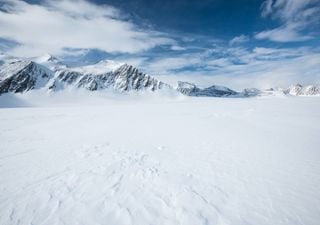
A tool designed to keep polar researchers safe is extending its reach by assessing flood risk and the safety of ice roads; we learn more about SIMBA.

Reframing the relationship between risk, return and sustainability in the quest to decarbonise aviation could lead to a breakthrough, new research suggests.
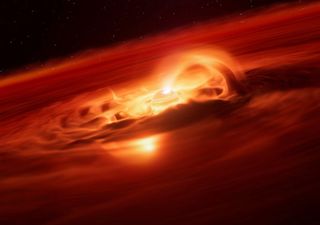
A free-floating planet has been observed by astronomers to be gathering dust at an unprecedented rate - what does this tell us?