

What is plastic blindness, and how can we tackle it? New research explains why we underestimate how much plastic we throw away.

What is plastic blindness, and how can we tackle it? New research explains why we underestimate how much plastic we throw away.

New research shows how genetic selection could help reduce greenhouse gas emissions, especially when it comes to rice.
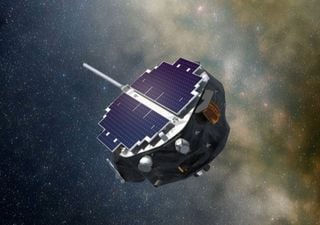
NASA’s new mission features a British-built instrument that will map the heliosphere and observe space weather; we find out more.
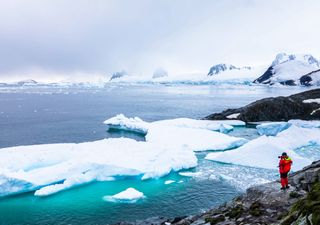
What are subglacial lakes and what can they tell us about our changing planet? You will be surprised.

It is everywhere, but it is time to have a think about plastic. What can modern plastics tell us about the archaeology of us?

How do planktonic microalgae keep their metabolism active through the night or during heavy cloud cover?

Exoplanets are explored as a prospect for life outside our Solar System. But when were the first exoplanets discovered and how?
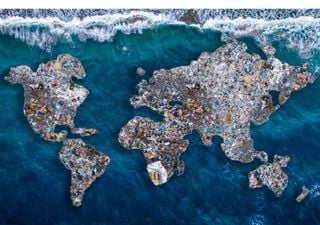
Assessing the true impact of micro- and nanoplastic pollution is difficult, but a global, integrated approach to monitoring could track their movement; we find out how.

The climate impact of military aircraft is comparable to commercial aviation, but can emissions be reduced with sustainable aviation fuels?
A vigorous circulation in the Pacific had a particular effect on the Southern Ocean, showing us whether carbon dioxide levels were higher in the previous Ice Ages.
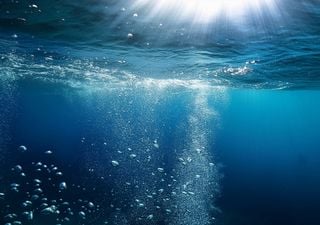
A marine heatwave in 2023 meant the oceans absorbed less carbon dioxide than expected, but why? Experts have answers.
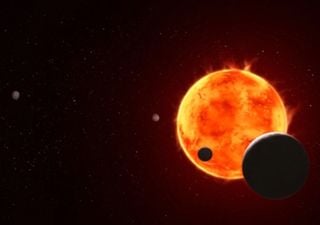
JWSP can observe distant worlds and stars and probe the mysterious structures of our universe; has it found an atmosphere on a distant exoplanet?

Predicting the weather three months in advance is difficult; what role can the AI approach of machine learning play in improving seasonal forecasting?

Here’s why your morning cup of coffee – or tea – really is the best pick-me-up and can make you feel happier.
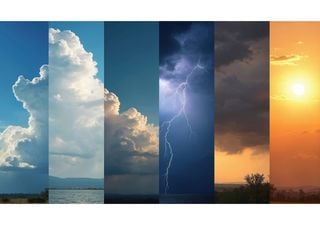
July marked the sixth month in a row with mean temperatures above average. What is going on with this year's summer? The Met Office has made some comments.
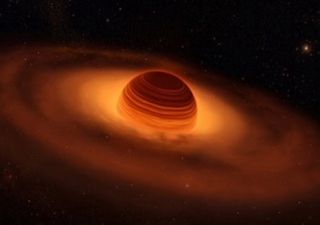
New research from the University of St Andrews is answering one of the most important questions in astrophysics; can planets form without a star?

What cosmic delights with NASA’s latest space telescope reveal and what will they tell us about our universe?

Why did super-greenhouse conditions exist for five million years after a mass extinction 252 million years ago? New research has the answer.
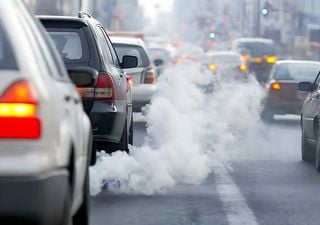
Left or right – does it matter which side your car exhaust is on? New research suggests it might!
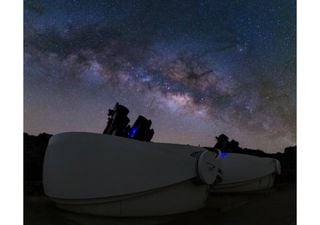
Citizen scientists make a major discovery by sifting through thousands of images playing stellar spot the difference.