
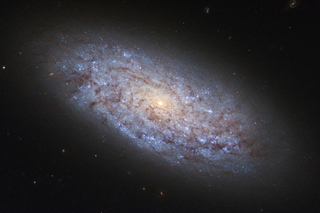
An article published in the Journal of Cosmology and Astroparticle Physics suggests that dark matter may be more diverse than previously thought.

An article published in the Journal of Cosmology and Astroparticle Physics suggests that dark matter may be more diverse than previously thought.
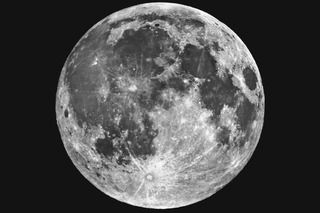
Artemis II entered a new phase in 2026 following its successful April 1 launch, and the next steps are already being planned.
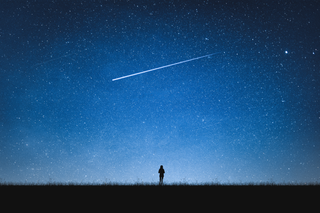
April began with the launch of Artemis II and will still feature another major launch, as well as a visible comet and a meteor shower.
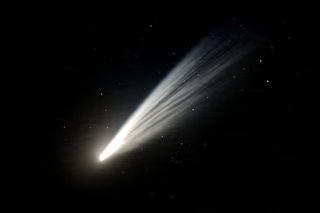
Historic images captured by the Hubble Space Telescope make it possible to analyze in real time how comets fragment as they leave the solar system.
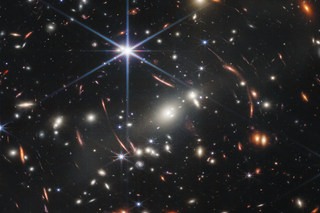
A new study proposes addressing the Hubble tension by comparing estimates of the age of the universe derived from some of the oldest stars in the galaxy.
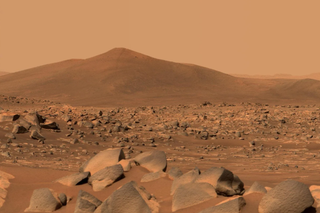
A study shows that Martian regolith reduces the activity of tardigrades, but the use of water lessens the toxic effects on life.
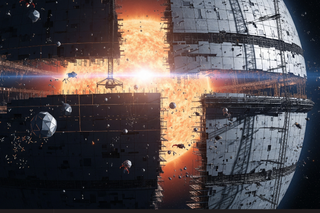
A scientific article analyzes the hypothesis that cold stars could be alien structures and identifies which stars would be the most likely candidates.
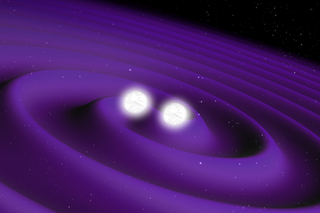
A study shows that gravitational waves preserve a permanent imprint of the neutron stars that merged.
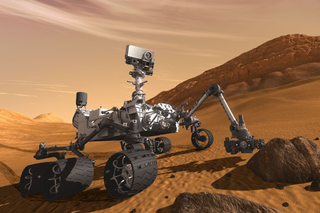
A study indicates that abiotic sources do not fully explain the organic compounds detected by the Curiosity rover. You may be interested in | Mars Had a Magnetic Field, but Only in One Hemisphere: This New Theory Explains It
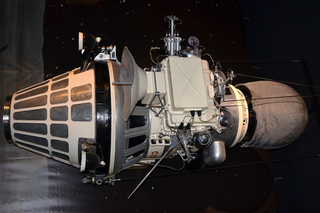
The landing site of the Soviet Luna 9 probe, which had never been identified, may finally have been found thanks to a certain type of technology
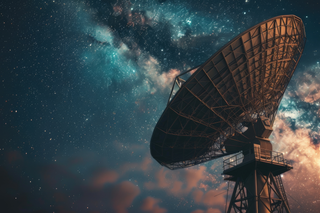
Limitations and unusual signals could be preventing the detection of potential extraterrestrial transmissions that have already arrived.
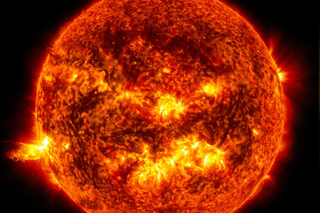
A new technique reveals the three-dimensional structure of the Sun’s magnetic field, allowing scientists to anticipate solar eruptions and reduce risks to satellites.
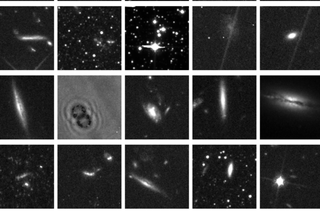
An artificial intelligence model was trained to detect anomalies in telescope data, and Hubble’s observations revealed something never seen before, uncovering unusual signals that had gone unnoticed and opening new possibilities for scientific discovery.
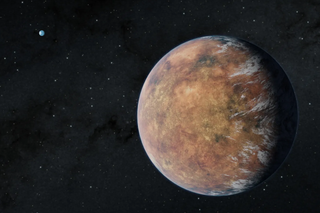
In a new article, astronomers discuss which regions we should focus on in the search for life beyond Earth and which ones we should not.
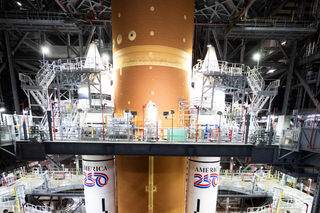
Humanity is once again ready to return to the Moon with the Artemis II mission, which is already being prepared for launch.
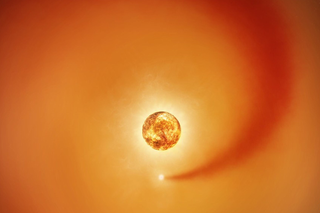
A star that became famous in recent years for being at the end of its life has a confirmed companion in a new study.
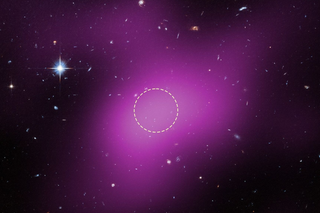
In new data obtained by the Hubble Space Telescope, an object that appears to be a relic of an ancient galaxy has been discovered.
In a new article, researchers show the possibility of studying dark matter using quantum sensors to analyze its distribution.
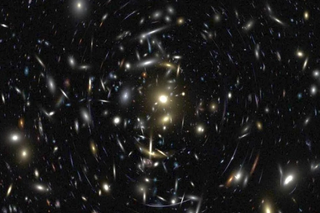
Chinese researchers have developed an artificial intelligence model capable of identifying patterns in astronomical data, offering new insight into how dark matter behaves in galaxy clusters
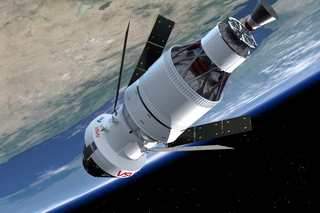
The year 2026 will have many astronomical events ahead, and it will also be the year when humanity returns to the Moon with the Artemis mission.