
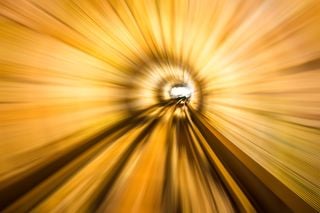
Nothing known can exceed the speed of light. This cosmic limit marks the frontier of modern physics and reveals the limits of our laws of space and time. But what would it really look like?

Nothing known can exceed the speed of light. This cosmic limit marks the frontier of modern physics and reveals the limits of our laws of space and time. But what would it really look like?
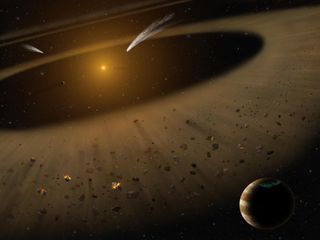
The Kuiper Belt, beyond Neptune, is filled with small bodies. These primitive objects are a fossil record of the early Solar System and the main source of short-period comets.

We commonly refer to meteors as "shooting stars," the bright lights that streak across the sky. Scientifically, the distinction is crucial. A meteorite is a rock that survives the atmosphere, unlike a meteor, which disintegrates.
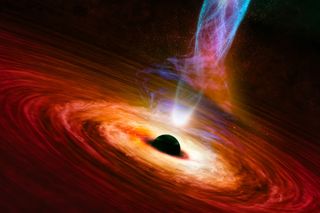
New simulations reveal how rotating black holes convert their energy into cosmic particle jets, combining magnetism, relativity, and turbulence in a dance that redefines the boundaries of modern astrophysics.
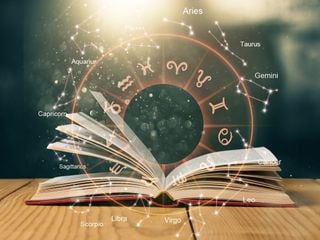
Astronomy and astrology are often confused, but one is based on science and the other on tradition. Today on Meteored, we’ll explain their essential differences and why it’s important to distinguish between them.
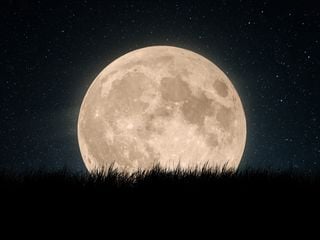
The October sky presents us with a spectacle of bright planets, meteor showers, and observational challenges that await us, reminding us that astronomy is within reach of any pair of curious eyes.
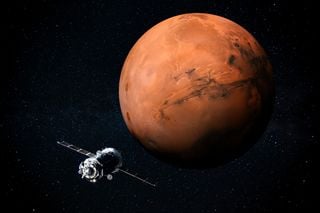
At the speed of light, Mars would be minutes away. However, real missions take months. Why is traveling to the Red Planet such a fascinating orbital challenge?
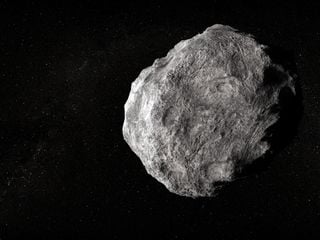
Astronomers have discovered 2025 PN7, a "quasi-satellite" orbiting Earth. While not a true moon, it reveals the fascinating dynamics of our cosmic neighborhood.
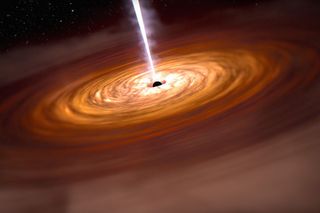
Black holes are regions of space-time where gravity is so intense that nothing escapes. From their anatomy to their cosmic impact, we explore how they form, classify, and detect.
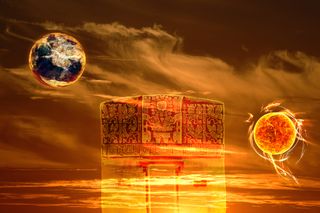
The ancient Mayan civilization, famous for its complex calendar, hid an astonishing astronomical code, and recent discoveries reveal how they tracked the planets, demonstrating their profound connection to the Universe.
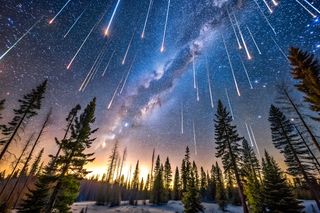
The Epsilon Perseid meteor shower could light up the September sky tonight, peaking today, on the 9th of September. We'll tell you where it originates and give you practical tips for observing it.
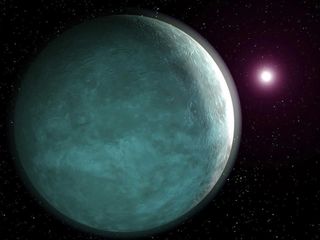
NASA astronomers have created a groundbreaking model to map starspots on distant stars using data from TESS and Kepler, revealing hidden details that transform the search for exoplanets.
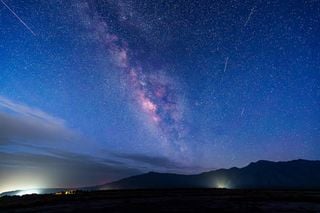
This September 2025, prepare for a unique celestial spectacle: the Aurigids. A rare astronomical event awaits you in the sky with stunning meteors. We'll tell you when and how to observe them.
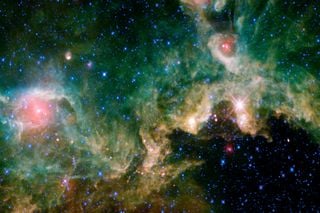
With its advanced technology and 18 detectors operating simultaneously, it will map the deep sky and observe thousands of supernovae to understand how the accelerated expansion of the Universe works.
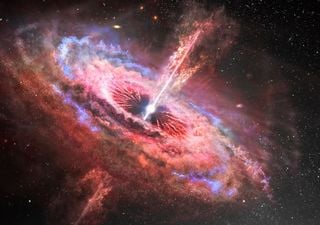
A groundbreaking study reveals the awakening of an AGN and intense star formation in a merging galaxy cluster, offering a unique glimpse into cosmic evolution.
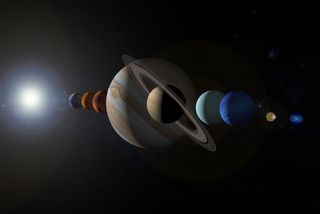
Following the conjunction of Venus and Jupiter on August 12, the morning sky offers an even more complete parade on the 19th, with Saturn, the crescent Moon, and Mercury.
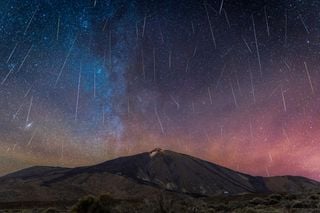
The Perseids, the most popular meteor shower of the year, will reach their peak on August 12. We'll tell you how, when, and where to enjoy them from anywhere on planet Earth.
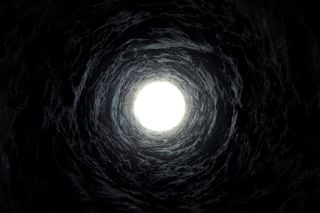
A team of Japanese physicists has managed to accurately calculate the vibrations of black holes after a collision, revealing hidden structures and mathematical spirals that had never been measured before.
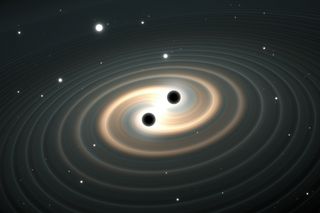
The GW231123 event challenges the limits of known physics with the largest black holes ever detected, a finding that opens new questions about the origin of the universe.
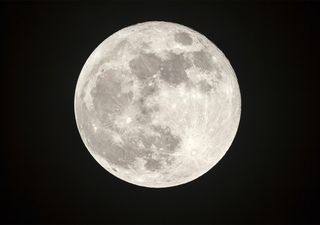
Every July 20th, we celebrate International Moon Day, remembering the first moon landing and taking the opportunity to rethink our relationship with the companion who has inspired us most.